How to Stop Late-Night Snacking: Why It Happens & Habits That Help
| The pattern | Late-night snacking is usually habit, under-eating by day, tiredness, stress or boredom — rarely true hunger. |
| Why it matters | Evening snacks are mindless and calorie-dense, stacked on top of a full day — a quiet surplus. |
| What helps | Eat enough protein and fibre by day, close the kitchen after dinner, protect sleep, and replace the habit with a wind-down. |
When to see a doctor. This article is general information, not medical advice, and no supplement is a treatment, drug or cure for obesity or any other condition. Weight that falls rapidly or without you trying — or any weight change alongside fatigue, fever, night sweats, a lump, blood in the stool or a lasting change in bowel habit — needs a doctor rather than a supplement. Please get it checked before you change anything, and speak to your clinician first if you are pregnant, nursing, under 18 or taking medication.
The day’s food is done, dinner was fine, and yet at nine o’clock you find yourself in front of the pantry — not really hungry, but reaching anyway. If that scene feels familiar, you are in good company, and you are not weak-willed. Learning how to stop late-night snacking starts with a simple reframe: the evening urge to graze is almost always a signal about the rest of your day, not a genuine call for food. Once you understand what is really driving it, you can quiet it with a few small habits instead of a nightly battle of willpower. This guide covers the real causes of nighttime eating and the routines that make evenings calm again. (Current Diabetes Reports, 2022)
Why do I snack late at night? The real causes
Late-night snacking rarely comes from one place. It is usually a handful of everyday factors converging at the exact time of day when your defences are lowest. Spot yours and the fix becomes obvious. (International Journal of Food Sciences and Nutrition, 2019)
1. You did not eat enough during the day
This is the most common culprit. Skipping breakfast, a rushed lunch or meals light on protein and fibre leave you running a quiet deficit all day. Your body does not forget — it simply collects the debt in the evening, when you finally slow down. What feels like a lack of self-control at 10 p.m. is often just delayed hunger. If you feel unsatisfied even after eating, our guide to why you are always hungry even after eating digs into it. (Nutrients, 2019)
2. It has become a habit and a reward
The brain loves patterns. If snacking on the sofa with a screen has happened enough times, the couch itself becomes a cue — you feel the urge simply because you have sat down, not because your body needs fuel. Evening is also when many people feel they have “earned” a treat after a hard day, turning food into a reward ritual.
3. You are tired, not hungry
Fatigue and hunger feel remarkably similar, and poor sleep makes it worse: short sleep raises the hunger hormone and dulls fullness, so a tired evening brain reaches for quick energy — usually sugar and refined carbs. The snacking then delays bedtime, feeding the cycle. We unpack the loop in does poor sleep cause weight gain. (Annals of Internal Medicine, 2004)
4. Stress and boredom
Evenings are when the day’s stress finally surfaces, and food is a fast, easy comfort. Boredom does the same job — snacking fills an empty, unstructured hour. Neither is true hunger, which is why they are so hard to satisfy with food. The stress side of this is covered in does stress cause weight gain.
5. Blood-sugar dips from refined evening meals
A dinner heavy on refined carbs and low on protein, fibre or fat can spike then crash your blood sugar an hour or two later — and that dip reads as a fresh craving for something sweet. The meal that felt filling sets up the snack that follows.
Support your gut and everyday appetite
Javatide pairs prebiotic chicory-root inulin and resistant potato starch with a targeted probiotic blend — one daily capsule to help support a balanced gut and everyday digestion, backed by a 60-day guarantee. A steady habit that fits neatly into a calmer evening routine.
See Javatide Packages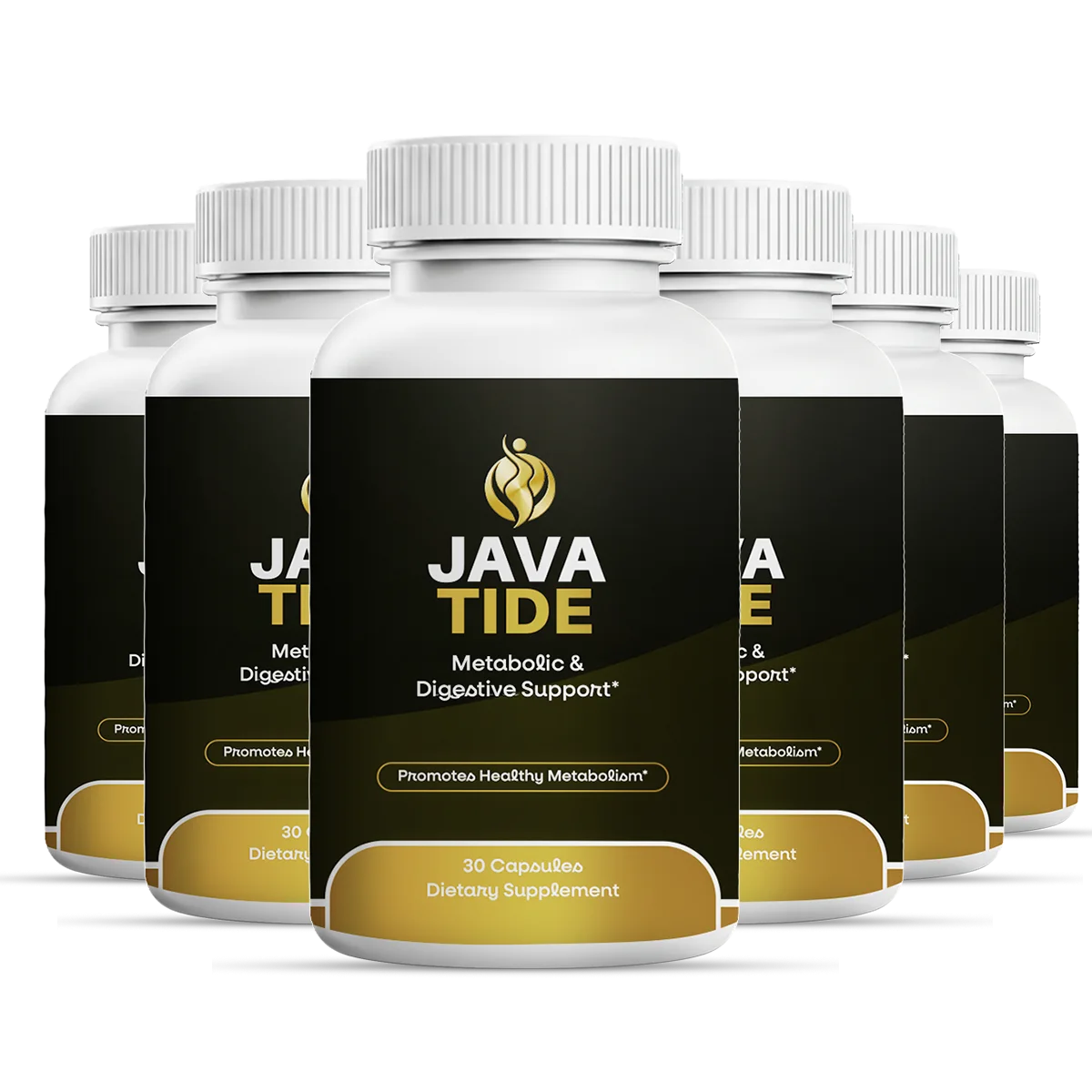
How to stop late-night snacking: habits that help
The fixes match the causes. You are not trying to white-knuckle your way past the pantry every night; you are removing the reasons the urge shows up in the first place.
- ✓ Eat enough by day. Front-load protein and fibre across breakfast, lunch and dinner so you are genuinely satisfied before evening arrives. This alone dissolves most nighttime cravings.
- ✓ Build a satisfying dinner. Include protein, fibre and some healthy fat to steady blood sugar and prevent the late-evening dip that feels like hunger.
- ✓ Close the kitchen. Pick a cut-off time, then send a clear signal — brush your teeth, make herbal tea, tidy the counters. The ritual tells your brain eating is done.
- ✓ Change the cue. If the sofa-and-screen combo triggers grazing, move: take a short walk, do a small chore, or sit somewhere new for the first week.
- ✓ Keep temptation out of reach. You cannot mindlessly eat what is not there. Stock the house with less snackable food and keep any treats genuinely inconvenient.
- ✓ Hydrate first. Thirst masquerades as hunger; a glass of water or tea often ends the urge. See how much water should you drink to lose weight.
- ✓ Protect your sleep. An earlier, consistent bedtime shortens the risky window and keeps tomorrow’s appetite steady.
If you are genuinely hungry at night
Sometimes the evening urge is real hunger — and that is fine. The goal is not to never eat after dark; it is to stop mindless, calorie-dense grazing. If you are truly hungry, choose something with protein and fibre rather than a bag of something crunchy: Greek yoghurt, a piece of fruit, a small handful of nuts, or vegetables and hummus. A modest, deliberate snack eaten at the table beats an absent-minded one in front of the TV, both for your calories and for your sleep. The cravings that dissolve after a glass of water or a walk were never hunger; the ones that persist can be met with a sensible choice.
Where gut health fits in
Your appetite is not only about willpower and habit — it is shaped by the trillions of bacteria in your gut. The microbiome helps regulate the signals that tell you when you are full and when to eat, and a diverse, well-fed microbiome is associated with steadier hunger and easier weight management, a connection we explore in gut health and weight loss. Nighttime cravings often trace back to blood-sugar swings and unsatisfying meals, both of which good gut care and balanced eating help smooth out.
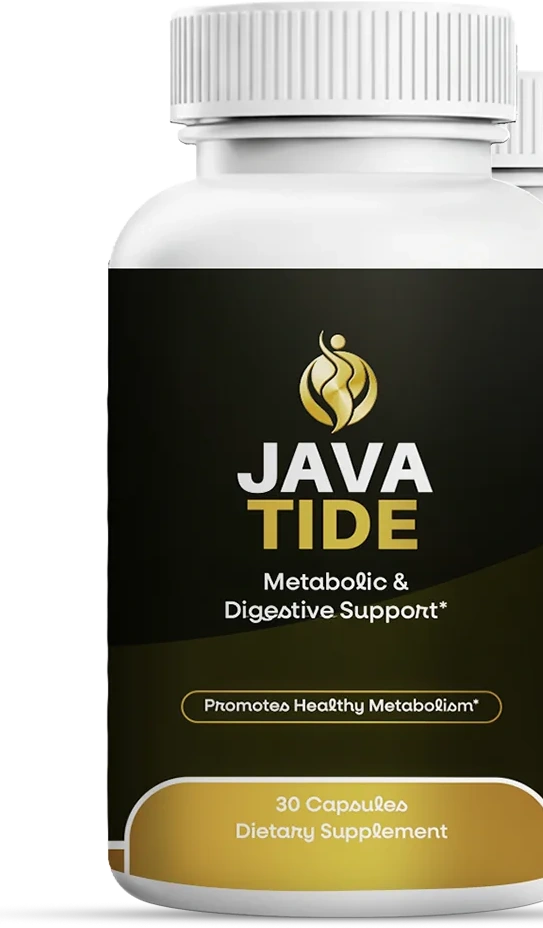
That is where a gut-first habit fits alongside better routines. Javatide pairs prebiotic chicory-root inulin and resistant potato starch with a probiotic blend in one daily capsule — feeding beneficial bacteria and reinforcing them. It will not override a day of under-eating or a screen-and-sofa habit, but combined with satisfying meals and a proper wind-down, it is a small, consistent way to support the balanced gut that steadier evening appetite depends on.
Setting realistic expectations
Breaking a nighttime snacking habit takes a couple of weeks, not a single evening of willpower — because you are rewiring a routine, not passing a test. Expect the first few nights to feel odd; the urge shows up on schedule and then, without the usual response, slowly fades. Be kind to yourself on the nights it wins, and simply return to the plan the next day. Focus on the daytime habits — enough protein and fibre, a satisfying dinner, good sleep — because they remove the pressure long before evening arrives. Results vary from person to person, and this is general information rather than medical advice; if nighttime eating feels compulsive or distressing, or you wake to eat, talk with your doctor.
Frequently asked questions
Why do I crave snacks late at night?
Late-night snacking is usually driven by habit, under-eating during the day, poor sleep, stress, boredom and blood-sugar dips rather than true hunger. Eating too little protein and fibre at meals leaves you unsatisfied by evening, and screens plus fatigue lower willpower. Once you spot which cause is yours, it becomes far easier to change. Results vary.
Is snacking at night bad for weight loss?
It is not the clock itself that matters most but the extra calories. Late-night snacks are usually mindless and calorie-dense, eaten on top of a full day of food, so they quietly add a surplus. Eating enough at balanced meals and closing the kitchen after dinner usually solves it without banning any specific food.
How do I stop eating at night?
Eat enough protein and fibre at your meals so you are genuinely satisfied, keep a consistent dinner time, brush your teeth or make tea to signal the kitchen is closed, keep tempting snacks out of the house, and protect your sleep. Replacing the habit with a wind-down routine works better than relying on willpower.
Does gut health affect nighttime cravings?
It can play a part. The gut microbiome influences appetite signals and how full you feel, and a diverse, well-fed microbiome is associated with steadier hunger. Feeding it prebiotic fibre and probiotics, alongside balanced meals, is a supportive habit for calmer evenings — though it works best combined with good routines.
References
- The impact of meal timing on risk of weight gain and development of obesity: a review of the current evidence and opportunities for dietary intervention. Current Diabetes Reports (2022). PubMed PMID 35403984.
- Timing of breakfast, lunch, and dinner: effects on obesity and metabolic risk. Nutrients (2019). PubMed PMID 31684003.
- Snacking in nutrition and health. International Journal of Food Sciences and Nutrition (2019). PubMed PMID 30969153.
- Brief communication: sleep curtailment in healthy young men is associated with decreased leptin levels, elevated ghrelin levels, and increased hunger and appetite. Annals of Internal Medicine (2004). PubMed PMID 15583226.
Sources are linked to their PubMed records so you can check them. Research on an ingredient or a habit is not evidence about any finished product, and no trial has been published on the Javatide formula itself. Last checked 2026-09-03.
† These statements have not been evaluated by the FDA. This product is not intended to diagnose, treat, cure or prevent any disease. This article is for general information only and is not medical advice.