Does Poor Sleep Cause Weight Gain? The Sleep-Metabolism Link Explained
| The link | Short, broken sleep is consistently associated with weight gain — it changes your appetite, not just your energy. |
| Why it happens | Sleep loss raises hunger hormones, dulls fullness signals, boosts cravings and cuts daily movement. |
| What helps | A steady sleep schedule, a wind-down routine, less late caffeine and alcohol, and a well-fed gut. |
When to see a doctor. This article is general information, not medical advice, and no supplement is a treatment, drug or cure for obesity or any other condition. Weight that falls rapidly or without you trying — or any weight change alongside fatigue, fever, night sweats, a lump, blood in the stool or a lasting change in bowel habit — needs a doctor rather than a supplement. Please get it checked before you change anything, and speak to your clinician first if you are pregnant, nursing, under 18 or taking medication.
You can eat carefully and move regularly, but if you are running on five hours of broken sleep, your body is quietly working against you. So does poor sleep cause weight gain? The research is strikingly consistent: yes, poor sleep is one of the most underrated everyday causes of creeping weight. And crucially, it does not do it by magic — it does it by changing your hormones, your cravings and your energy in ways that make healthy choices harder the very next day.

Does poor sleep cause weight gain? What the research shows
Large population studies have repeatedly found that people who habitually sleep too little tend to weigh more and gain weight faster over time than those who sleep enough. Controlled laboratory experiments back this up: when healthy volunteers are restricted to a few nights of short sleep, their appetite hormones shift, their hunger rises, and they eat more — especially of sweet, starchy, calorie-dense food. Sleep is not a passive bystander to weight; it is an active player. (Nature Reviews Endocrinology, 2023)
How sleep loss tips the scale
1. It raises hunger and dulls fullness
Two hormones govern much of your appetite. Ghrelin tells you to eat; leptin tells you that you have had enough. Short sleep pushes ghrelin up and leptin down — a double whammy that leaves you hungrier and less easily satisfied, even after a normal meal. (PLoS Medicine, 2004)
2. It supercharges cravings
Sleep loss heightens the brain’s reward response to high-calorie, high-sugar foods while weakening the prefrontal control that helps you resist them. That is the neuroscience behind the “I need something sweet” feeling after a bad night. If cravings are your main struggle, our guide on how to stop sugar cravings naturally pairs perfectly with fixing your sleep. (Annals of Internal Medicine, 2004)
3. It leaves you too tired to move
Exhaustion quietly cuts your daily movement — fewer steps, more sitting, skipped workouts. That drop in incidental activity lowers your energy burn without you deciding anything. Combined with eating more, it is exactly the surplus that shows up on the scale.
4. It nudges blood sugar and fat storage
Even short bouts of poor sleep can reduce insulin sensitivity, meaning the body handles carbohydrates less efficiently and is more inclined to store energy. Chronic short sleep also keeps stress hormones like cortisol elevated, which encourages fat storage — part of why sleep sits on nearly every list of hidden weight drivers, including our own guide to gaining weight without eating more. (Obesity Science & Practice, 2024)
Support your gut while you fix your sleep
Javatide pairs prebiotic chicory-root inulin and resistant potato starch with a targeted probiotic blend — one daily capsule to help support a balanced gut and everyday digestion, backed by a 60-day guarantee.
See Javatide Packages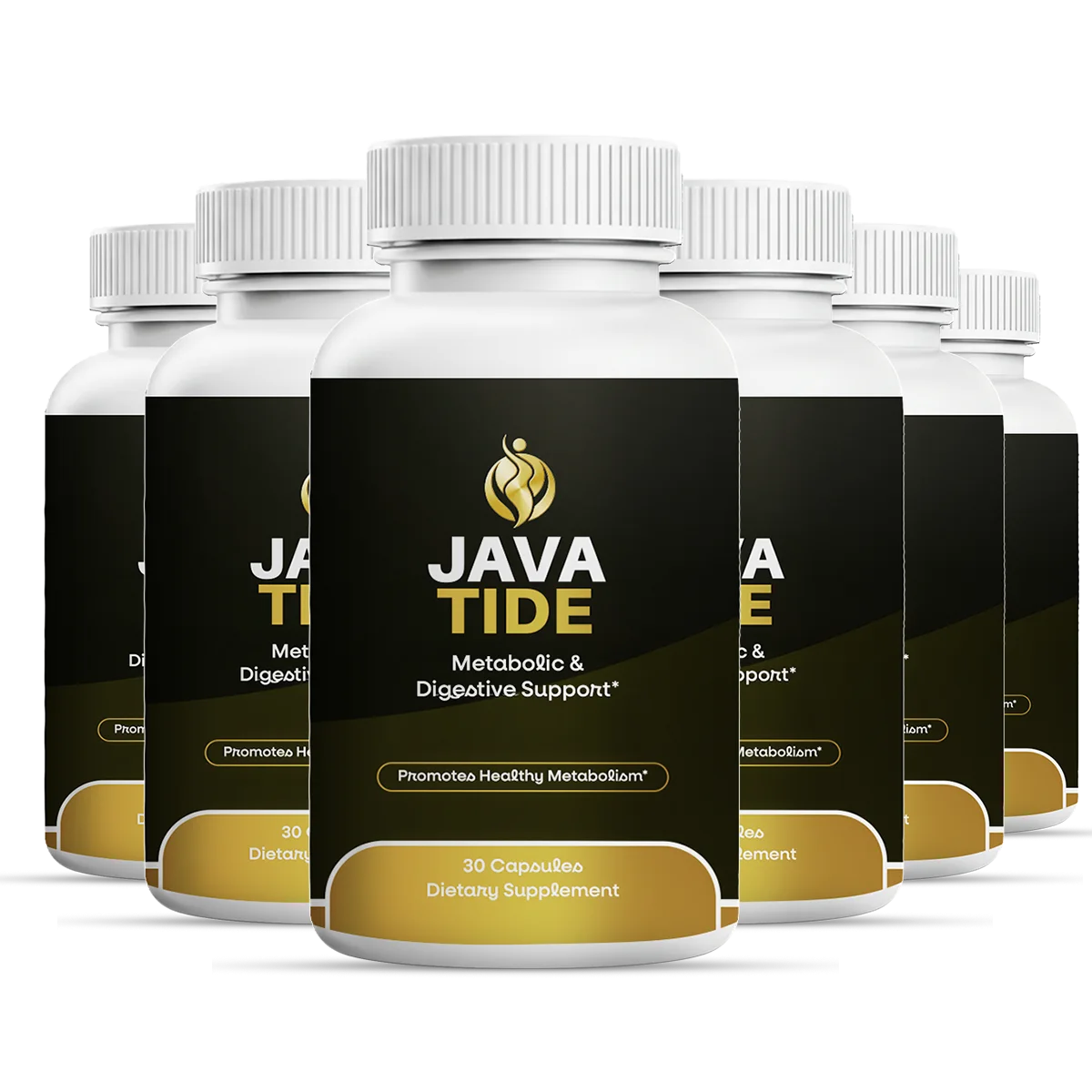
Nightly habits that protect your sleep — and your weight
Better sleep is a skill built on routine. These habits do most of the work:
- ✓ Keep a consistent schedule. Going to bed and waking at similar times — even on weekends — steadies your body clock and your appetite hormones.
- ✓ Cut caffeine after early afternoon. Caffeine lingers for hours and quietly fragments deep sleep.
- ✓ Be careful with alcohol at night. It may help you fall asleep but wrecks the restorative second half of the night.
- ✓ Dim screens and lights before bed. Bright light late in the evening suppresses the melatonin that cues sleep. Evenings are where this most often shows up as food, which is the pattern we unpack in how to stop late-night snacking.
- ✓ Build a wind-down ritual. A warm shower, a book, gentle stretching — a repeatable cue that tells your body it is time to switch off.
- ✓ Do not eat a heavy meal right before bed. Give digestion a couple of hours so it does not disrupt your rest.
How much sleep — and why regularity matters as much as hours
Most adults do their best on seven to nine hours of good-quality sleep, but the total is only half the story. When you sleep is nearly as important as how long. Going to bed and waking at wildly different times — late nights on weekends, early alarms on weekdays — produces a kind of “social jet lag” that unsettles your body clock and, with it, the hormones that govern hunger and fullness. Two people can both average seven hours and feel completely different if one keeps a steady schedule and the other bounces around.
That is encouraging, because regularity is something you can control even on a busy life. Anchoring your wake-up time is the single most powerful lever: get up at roughly the same hour every day, get some daylight soon after, and your bedtime tends to fall into place on its own. If you work shifts or care for young children and consistent sleep simply is not possible, be gentler with yourself on the diet side during those stretches — recognise that your appetite is being pushed around by biology, plan easy protein-and-fibre options in advance, and treat it as a season to manage rather than a personal failing.
The sleep-gut connection
Sleep and the gut are more entangled than most people realise. They communicate through the gut-brain axis, and each influences the appetite and metabolic signals the other depends on. Poor sleep can disturb the microbiome, and an imbalanced microbiome can, in turn, affect sleep and appetite. Supporting both at once means two levers pulling in the same direction — a theme we explore in our guide to gut health and weight loss.
Where a gut-first supplement fits in
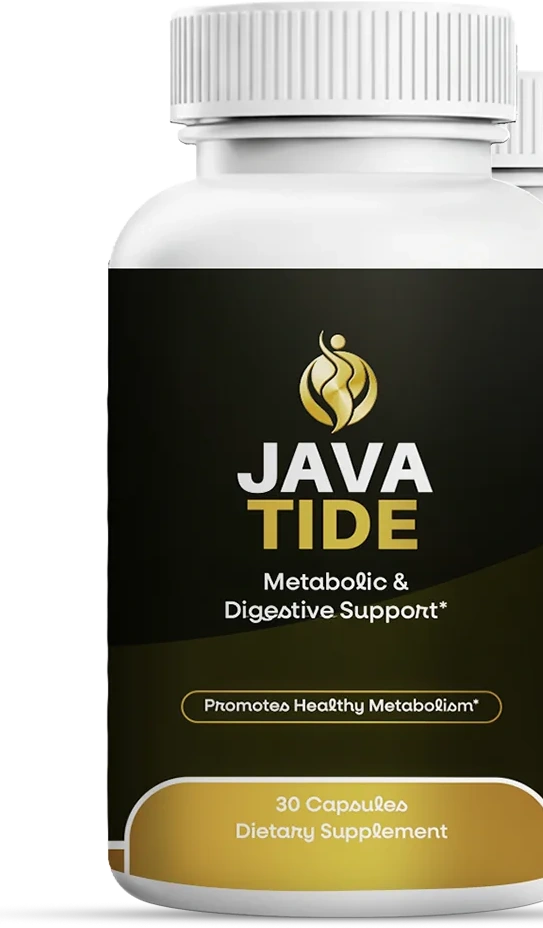
Sleep habits are the foundation; gut care supports them. Prebiotic fibres such as chicory-root inulin and resistant potato starch feed beneficial bacteria, while a probiotic blend reinforces them — the pairing built into Javatide. A daily prebiotic-plus-probiotic capsule will not fix a chaotic sleep schedule, but as part of steadier days and nights it is a low-effort way to support the balanced gut that healthy appetite and metabolism rely on. Consistency, again, is the whole point.
Setting realistic expectations
Sleep is not a weight-loss shortcut — but it is one of the most powerful foundations you can lay, precisely because it makes every other healthy choice easier. Fix your sleep and you will likely find cravings quieter, energy higher and willpower less of a daily battle. Those advantages compound. Results vary from person to person, and this article is general information rather than medical advice; if you struggle with ongoing insomnia or suspect a sleep disorder such as sleep apnoea, speak with your doctor.
Frequently asked questions
Does poor sleep cause weight gain?
Research consistently links short or poor-quality sleep with a higher risk of weight gain. Too little sleep raises the hunger hormone ghrelin, lowers the fullness hormone leptin, increases cravings for calorie-dense food and leaves you too tired to move much — a combination that tips daily energy balance toward storage.
How many hours of sleep help support a healthy weight?
Most adults do best on seven to nine hours of consistent, good-quality sleep. Both consistently short sleep and very irregular sleep timing are associated with weight and appetite problems, so regularity matters as much as total hours.
Why do I crave junk food when I’m tired?
Sleep loss shifts appetite hormones and heightens the brain’s reward response to high-calorie, high-sugar foods, while lowering the self-control needed to resist them. That is why a bad night so often leads to a day of reaching for quick, sweet, fatty snacks.
Can better sleep and gut health work together?
Yes. Sleep and the gut both influence appetite and metabolism, and they interact through the gut-brain axis. Supporting steady sleep alongside a balanced, well-fed gut gives your body two levers pulling in the same direction. Results vary from person to person.
References
- Short sleep duration is associated with reduced leptin, elevated ghrelin, and increased body mass index. PLoS Medicine (2004). PubMed PMID 15602591.
- Brief communication: sleep curtailment in healthy young men is associated with decreased leptin levels, elevated ghrelin levels, and increased hunger and appetite. Annals of Internal Medicine (2004). PubMed PMID 15583226.
- Short sleep duration is associated with higher risk of central obesity in adults: a systematic review and meta-analysis of prospective cohort studies. Obesity Science & Practice (2024). PubMed PMID 38835720.
- The role of insufficient sleep and circadian misalignment in obesity. Nature Reviews Endocrinology (2023). PubMed PMID 36280789.
Sources are linked to their PubMed records so you can check them. Research on an ingredient or a habit is not evidence about any finished product, and no trial has been published on the Javatide formula itself. Last checked 2026-09-03.
† These statements have not been evaluated by the FDA. This product is not intended to diagnose, treat, cure or prevent any disease. This article is for general information only and is not medical advice.