Why Am I Always Hungry Even After Eating? Causes & Daily Fixes
| The real issue | If you are always hungry even after eating, the problem is usually what your meals are made of — not how much willpower you have. |
| What fills you up | Protein and fibre at every meal, plenty of water, enough sleep, and slowing down long enough to feel full. |
| The slow lever | A balanced, well-fed gut is linked to steadier appetite hormones over time. |
When to see a doctor. This article is general information, not medical advice, and no supplement is a treatment, drug or cure for obesity or any other condition. Weight that falls rapidly or without you trying — or any weight change alongside fatigue, fever, night sweats, a lump, blood in the stool or a lasting change in bowel habit — needs a doctor rather than a supplement. Please get it checked before you change anything, and speak to your clinician first if you are pregnant, nursing, under 18 or taking medication.
You finish a proper meal, push the plate away… and twenty minutes later you are rummaging through the cupboard again. If that sounds familiar, you are not greedy and you are not broken. Asking why am I always hungry even after eating is one of the most common questions in weight management, and it almost always has a practical, physical answer. Hunger is not a personality trait — it is a set of hormonal signals that respond to what, when and how you eat. Once you understand which signals are misfiring, you can build meals that actually switch hunger off.

Why am I always hungry even after eating? The hormones behind it
Appetite is controlled by a conversation between your gut, your fat tissue and your brain, carried by a handful of hormones. When that conversation is clear, you feel satisfied after a normal meal and hunger stays quiet for hours. When it is muddled, you can eat plenty of calories and still feel unsatisfied. Three players matter most.
Ghrelin — the “time to eat” signal
Ghrelin is produced mainly in the stomach and rises before meals to make you hungry, then falls once you have eaten. But ghrelin does not respond only to calories — it responds to protein, fibre and the physical stretch of the stomach. A meal that is calorie-dense but low in protein and volume — think a pastry or a sugary coffee — barely dents your ghrelin, so you feel hungry again quickly even though you have eaten. (Peptides, 2025)
Leptin — the “you have enough” signal
Leptin is released by fat cells and tells the brain you have enough stored energy, dialling appetite down. The trouble is that poor sleep, chronic stress and a diet high in refined food can blunt the brain’s response to leptin. When the leptin message stops getting through clearly, the brain behaves as though you are running low even when you are not — so hunger lingers. (PLoS Medicine, 2004)
GLP-1 and PYY — the gut’s fullness signals
As food reaches your lower intestine, the gut releases satiety hormones such as GLP-1 and PYY that create the comfortable, lasting sense of fullness after a good meal. Protein and fibre are the strongest triggers for these hormones, and the gut bacteria that ferment fibre help stimulate them too. A meal of fast, refined carbohydrate rushes through before these signals get a chance to fire, which is exactly why it leaves you empty an hour later. (Journal of the American College of Nutrition, 2013)
The everyday causes of constant hunger
Behind those hormones sit a handful of daily habits that quietly keep hunger switched on. Most people who feel hungry all the time are running two or three of these at once.
Not enough protein
Protein is by far the most filling nutrient per calorie, and it is the one most often missing from a hunger-prone diet. Toast, cereal, a plain sandwich or a handful of crisps can carry real calories while barely moving your fullness hormones. Anchoring each meal with a proper protein source is the single most effective change most people can make. (Physiology & Behavior, 2020)
Too much refined carbohydrate
White bread, sugary drinks, sweets and many packaged snacks spike your blood sugar fast, then let it crash just as fast. That dip is read by the brain as urgent hunger, so a refined-carb meal can leave you hungrier than before you ate. Steadier, slower carbohydrates — whole grains, legumes, vegetables — keep blood sugar level and hunger quiet. This blood-sugar rollercoaster is the same mechanism behind sweet-tooth urges, which we cover in how to stop sugar cravings naturally.
Low-volume, low-fibre meals
Your stomach has stretch receptors that help register fullness, and fibre-rich, water-rich foods add satisfying volume for very few calories. A meal built from vegetables, legumes and whole grains physically fills you more than the same calories in a small, dense, processed portion. If your plates are small and beige, low volume may be why hunger returns so fast.
Poor sleep
A short or broken night tips your appetite hormones the wrong way — raising ghrelin and dulling leptin — so you wake up hungrier and stay hungrier all day. If your hunger spikes after bad nights, sleep is a powerful lever; we unpack that link in does poor sleep cause weight gain.
Stress, dehydration and eating on autopilot
Stress raises cortisol, which nudges appetite toward calorie-dense comfort food. Mild dehydration is easily mistaken for hunger, so an afternoon “craving” is often just thirst. And eating quickly or while distracted means the meal is over before your fullness signals have caught up — so your brain never got the message that you had enough.
Support steadier appetite from the gut up
Javatide pairs prebiotic chicory-root inulin and resistant potato starch with a targeted probiotic blend — one daily capsule to help support the balanced gut behind steady appetite signalling, backed by a 60-day guarantee.
See Javatide Packages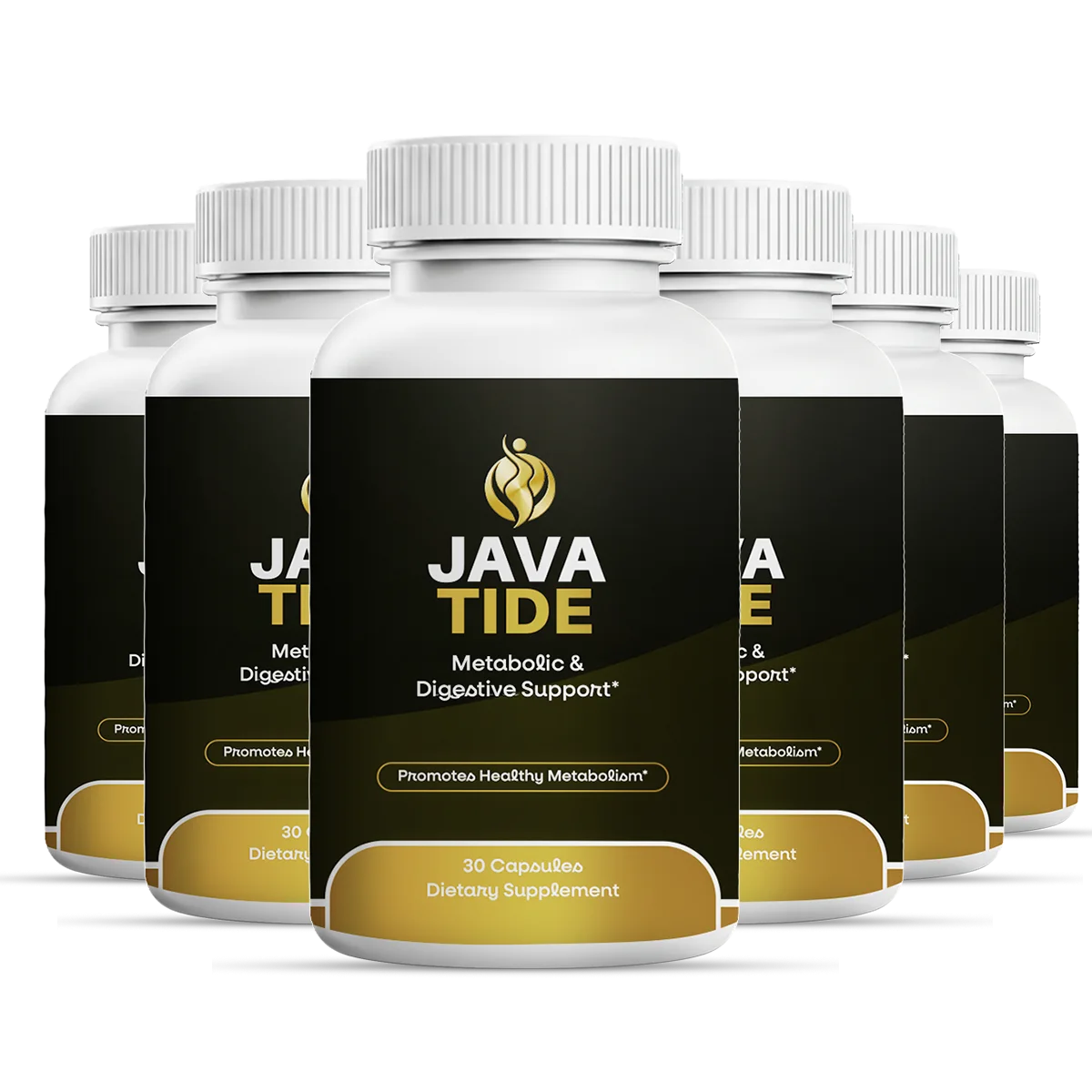
Daily fixes: how to feel genuinely full
The good news is that constant hunger responds quickly to a few concrete changes. You do not need to eat less and suffer — you need to eat in a way that actually triggers your fullness signals. These habits do most of the work:
- ✓ Lead every meal with protein. Eggs, Greek yoghurt, fish, chicken, beans or lentils — aim for a palm-sized portion so your fullness hormones actually fire.
- ✓ Add fibre to every plate. Vegetables, legumes, oats and whole grains slow digestion, add volume and feed the gut bacteria that help you feel satisfied.
- ✓ Swap refined carbs for slow ones. Trade white bread and sugary drinks for whole grains, fruit and water to stop the spike-and-crash hunger cycle.
- ✓ Drink water first. Have a glass before you reach for a snack — thirst is a common hunger impostor.
- ✓ Slow down. Give a meal fifteen to twenty minutes so your gut’s fullness signals can reach your brain before you overeat.
- ✓ Protect your sleep. Even one better night noticeably lowers next-day hunger.
What a genuinely filling day looks like
It helps to picture the whole day, because the meal that leaves you hungry sets up the snacking that follows it. A satisfying day usually starts with a protein-forward breakfast — eggs with wholegrain toast, or Greek yoghurt with berries and nuts — rather than a pastry that spikes and fades. Lunch keeps the pattern with protein, plenty of vegetables and a slow carbohydrate, which carries you through the afternoon without the 3pm hollow feeling. If you do snack, make it work for you: fruit with a handful of nuts, hummus and vegetables, or a yoghurt all bring protein or fibre to the table. Dinner stays balanced, and an earlier wind-down protects the sleep that keeps tomorrow’s hunger in check.
Notice that none of this is about eating less for the sake of it. It is about choosing foods that switch your fullness signals on, so you naturally want less without white-knuckling through the afternoon. Most people find that when the composition of their meals changes, the constant background hunger fades within a week or two.
Where the gut fits into appetite
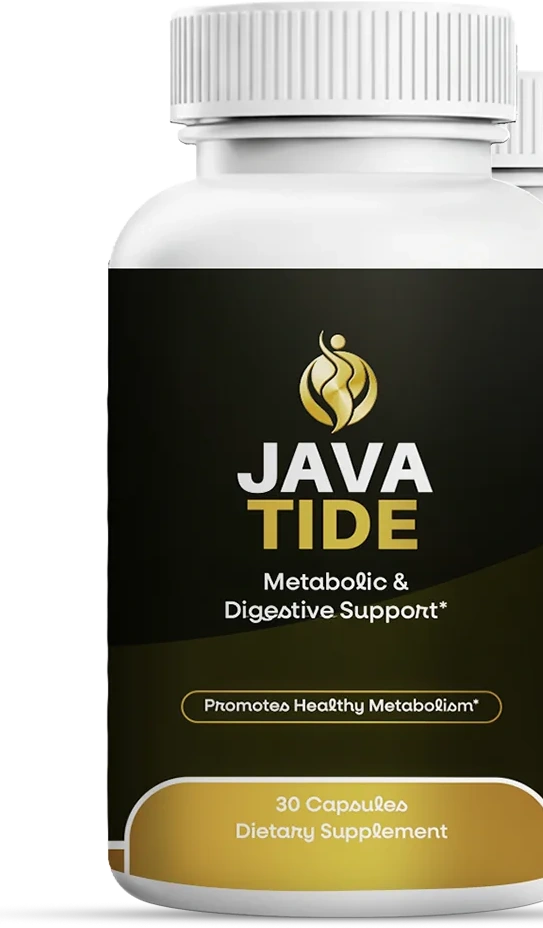

Food and sleep come first, but the gut is an increasingly important part of the appetite story. When beneficial bacteria ferment prebiotic fibre, they produce short-chain fatty acids that help stimulate the fullness hormones GLP-1 and PYY — part of why a fibre-rich, well-fed microbiome is associated with steadier appetite. That is the thinking behind Javatide, which combines prebiotic chicory-root inulin and resistant potato starch with a probiotic blend in a single daily capsule. A supplement will not override a diet of refined food and missed sleep, but as part of steadier days it is a low-effort way to support the gut that helps regulate hunger. If you also want a food-first way to get more of that fibre, our guide to the best high-fibre foods for weight loss is a useful next read.
When constant hunger is worth a doctor’s visit
For most people, persistent hunger is a diet-and-lifestyle issue that resolves with the changes above. Occasionally, though, unusually intense or sudden hunger — especially alongside significant weight change, extreme thirst, fatigue or other new symptoms — can point to something a clinician should check, such as a blood-sugar or thyroid issue. This article is general information rather than medical advice, so if your hunger feels extreme, has changed suddenly, or comes with other symptoms, speak to your doctor. Results from any dietary change vary from person to person.
Frequently asked questions
Why am I always hungry even after eating a full meal?
Constant hunger after eating is usually driven by meals that are low in protein and fibre, high in refined carbohydrates, or simply low in volume — plus poor sleep, stress, dehydration and habit. These factors leave your fullness hormones under-stimulated, so your brain keeps asking for more food even though you have eaten. Adjusting what a meal is made of usually matters more than eating a larger amount.
Which foods keep you feeling full the longest?
Protein-rich foods such as eggs, Greek yoghurt, fish, beans and lean meat are the most filling per calorie, followed by high-fibre vegetables, legumes, oats and whole fruit. Foods with a high water and fibre content add volume that stretches the stomach and slows digestion, which prolongs fullness. Pairing protein with fibre at every meal is the single most reliable way to stay satisfied.
Can dehydration make you feel hungry?
Yes. Thirst signals are easily mistaken for hunger, so mild dehydration can feel like an urge to eat, especially in the afternoon. Drinking a glass of water and waiting ten minutes often settles a false craving. Staying steadily hydrated through the day helps you read genuine hunger more accurately.
Does gut health affect appetite and hunger?
Emerging research suggests the gut microbiome helps regulate appetite through the gut-brain axis and fullness hormones such as GLP-1 and PYY. A well-fed, balanced microbiome is associated with steadier appetite signalling, while an imbalanced one may nudge hunger and food preference. Feeding beneficial bacteria with prebiotic fibre is a sensible long-game habit, though results vary and no single change guarantees an outcome.
References
- The role of leptin and ghrelin in the regulation of appetite in obesity. Peptides (2025). PubMed PMID 39983918.
- Effect of short- and long-term protein consumption on appetite and appetite-regulating gastrointestinal hormones: a systematic review and meta-analysis of randomized controlled trials. Physiology & Behavior (2020). PubMed PMID 32768415.
- The effect of fiber on satiety and food intake: a systematic review. Journal of the American College of Nutrition (2013). PubMed PMID 23885994.
- Short sleep duration is associated with reduced leptin, elevated ghrelin, and increased body mass index. PLoS Medicine (2004). PubMed PMID 15602591.
Sources are linked to their PubMed records so you can check them. Research on an ingredient or a habit is not evidence about any finished product, and no trial has been published on the Javatide formula itself. Last checked 2026-09-03.
† These statements have not been evaluated by the FDA. This product is not intended to diagnose, treat, cure or prevent any disease. This article is for general information only and is not medical advice.