How Much Water Should You Drink to Lose Weight? A Simple Daily Guide
| How much | Roughly 2–2.7 L a day for women and 2.5–3.7 L for men from all sources; simplest gauge is pale straw-coloured urine and rarely feeling thirsty. |
| Why it helps | Water has no calories, curbs appetite before meals, and prevents the mild dehydration people mistake for hunger. |
| The honest bit | Water supports weight loss — it does not cause it on its own. The habits around it matter most. |
When to see a doctor. This article is general information, not medical advice, and no supplement is a treatment, drug or cure for obesity or any other condition. Weight that falls rapidly or without you trying — or any weight change alongside fatigue, fever, night sweats, a lump, blood in the stool or a lasting change in bowel habit — needs a doctor rather than a supplement. Please get it checked before you change anything, and speak to your clinician first if you are pregnant, nursing, under 18 or taking medication.
“Drink more water” is the most common weight-loss tip there is, which makes it easy to dismiss. But there is real substance behind it — just not in the way most people imagine. Water will not melt fat, yet the simple act of staying properly hydrated genuinely makes eating well easier, curbs false hunger and removes a surprising number of hidden calories. So the useful question is not whether to drink water but how much water you should drink to lose weight, and how to build the habit so it actually sticks. This guide gives you a realistic target and the everyday routines that make hitting it effortless.
How much water should you drink to lose weight?
There is no single magic number, because your needs shift with body size, how active you are, the climate you live in and how much water you already get from food. That said, the widely cited guidance from health authorities offers a practical anchor: roughly 2 to 2.7 litres a day for women and 2.5 to 3.7 litres for men, counting all drinks and the water in food. Around 20 percent of most people’s intake comes from food — fruit, vegetables, soups — so you do not have to drink every drop. (JAMA Network Open, 2024)
The old “eight glasses a day” rule is a reasonable, memorable minimum for many people, but it is a rule of thumb, not a law. A far better everyday gauge is your own body: if you are rarely thirsty and your urine is a pale straw colour, you are well hydrated. Dark yellow urine and afternoon headaches or fatigue are signs to drink more. When you are trying to lose weight, aim toward the upper end of your range, because being consistently well-hydrated is what unlocks the appetite benefits below.
How water actually supports weight loss
Water helps in several small, real ways that add up — not through any single dramatic effect.
It replaces liquid calories
This is the biggest lever by far. Sugary drinks, juices, flavoured coffees and alcohol are among the easiest ways to consume calories without feeling full, because liquid calories barely register on your appetite. Every time water takes the place of one of those, you remove real calories without touching your food. For many people, this swap alone is the single most effective hydration habit for weight. (The American Journal of Clinical Nutrition, 2013) Coffee and tea count toward your fluids, but they bring their own trade-offs — we go through them in does coffee help you lose weight.
It curbs appetite before meals
A glass of water fifteen to thirty minutes before a meal adds volume to the stomach, so fullness signals arrive a little sooner and you tend to eat slightly less. Studies in older adults have shown this “pre-loading” can meaningfully reduce intake at the meal that follows. It costs nothing and takes no willpower. (Obesity, 2008)
It stops thirst masquerading as hunger
The brain is surprisingly bad at telling mild thirst from hunger, so an afternoon “craving” is often just dehydration. A glass of water and ten minutes settles a genuine number of these false alarms — a habit we also recommend in how to stop sugar cravings naturally.
It gives metabolism a small nudge
There is modest evidence that drinking water produces a small, short-lived rise in energy expenditure as the body warms and processes it — sometimes called water-induced thermogenesis. The effect is real but minor, so treat it as a bonus rather than the main event. If a faster metabolism is your goal, the bigger levers are muscle and movement, which we cover in how to boost metabolism naturally after 40. (The Journal of Clinical Endocrinology & Metabolism, 2003)
Pair good hydration with steady digestion
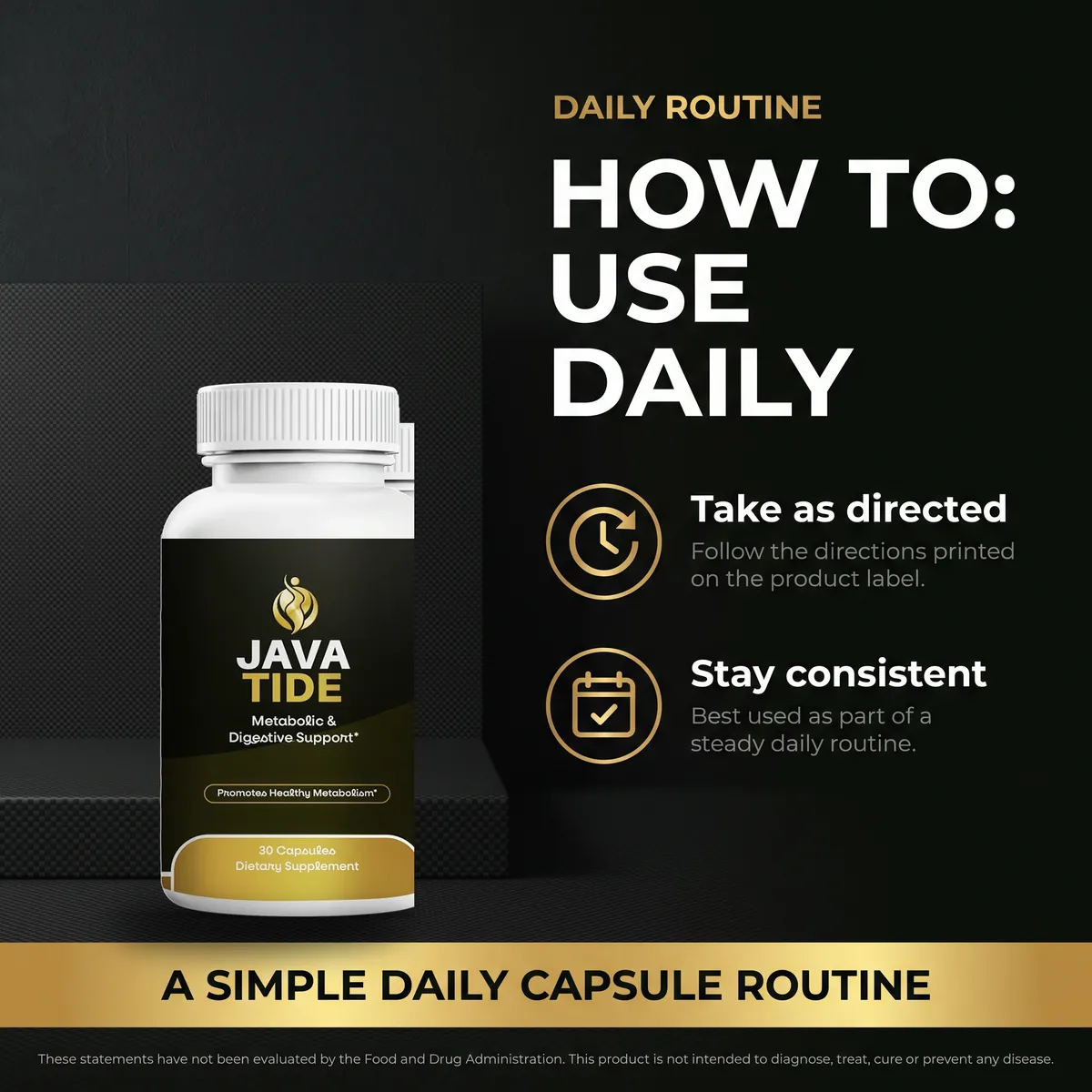
Javatide combines prebiotic chicory-root inulin and resistant potato starch with a targeted probiotic blend — one daily capsule to help support a balanced gut and steady digestion, backed by a 60-day guarantee. Fibre works best when you are well-hydrated.
See Javatide Packages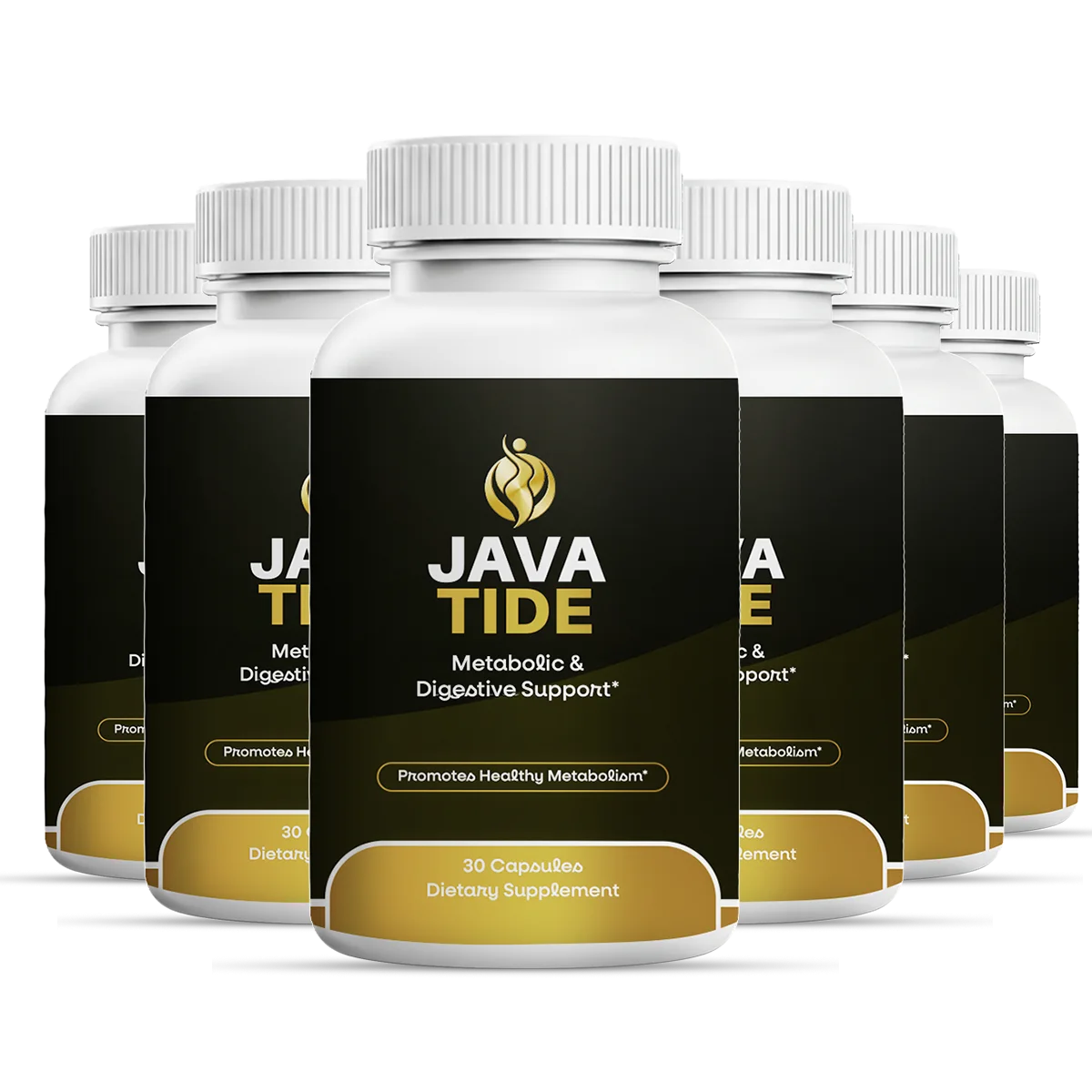
Easy habits to drink enough without thinking about it
Knowing the target is easy; hitting it every day is the real challenge. These habits make hydration automatic rather than another thing to remember:
- ✓ Start with a big glass on waking. You are mildly dehydrated after sleep, and a morning glass sets the day’s rhythm.
- ✓ Keep a bottle in sight. A visible, refillable bottle on your desk does more than any reminder app — you drink what is in front of you.
- ✓ Drink a glass before every meal. Free appetite support, and an easy way to notch up three glasses a day.
- ✓ Swap one daily sugary or alcoholic drink for water. The highest-value single change for most people.
- ✓ Flavour it if plain water bores you. Lemon, cucumber, mint or a splash of no-sugar cordial keeps you reaching for it.
- ✓ Front-load earlier in the day. Most of your water before evening means better hydration without disrupting sleep.
Hydration, fibre and a comfortable gut
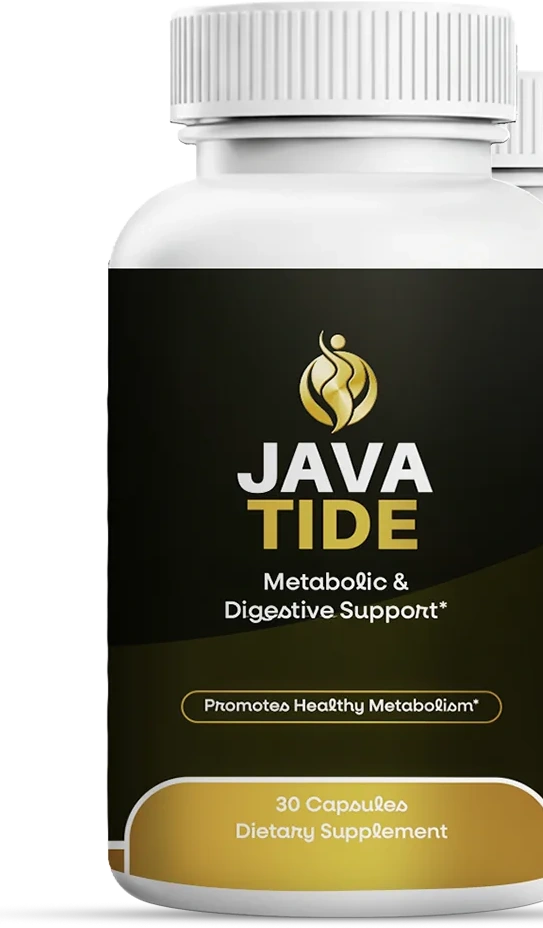
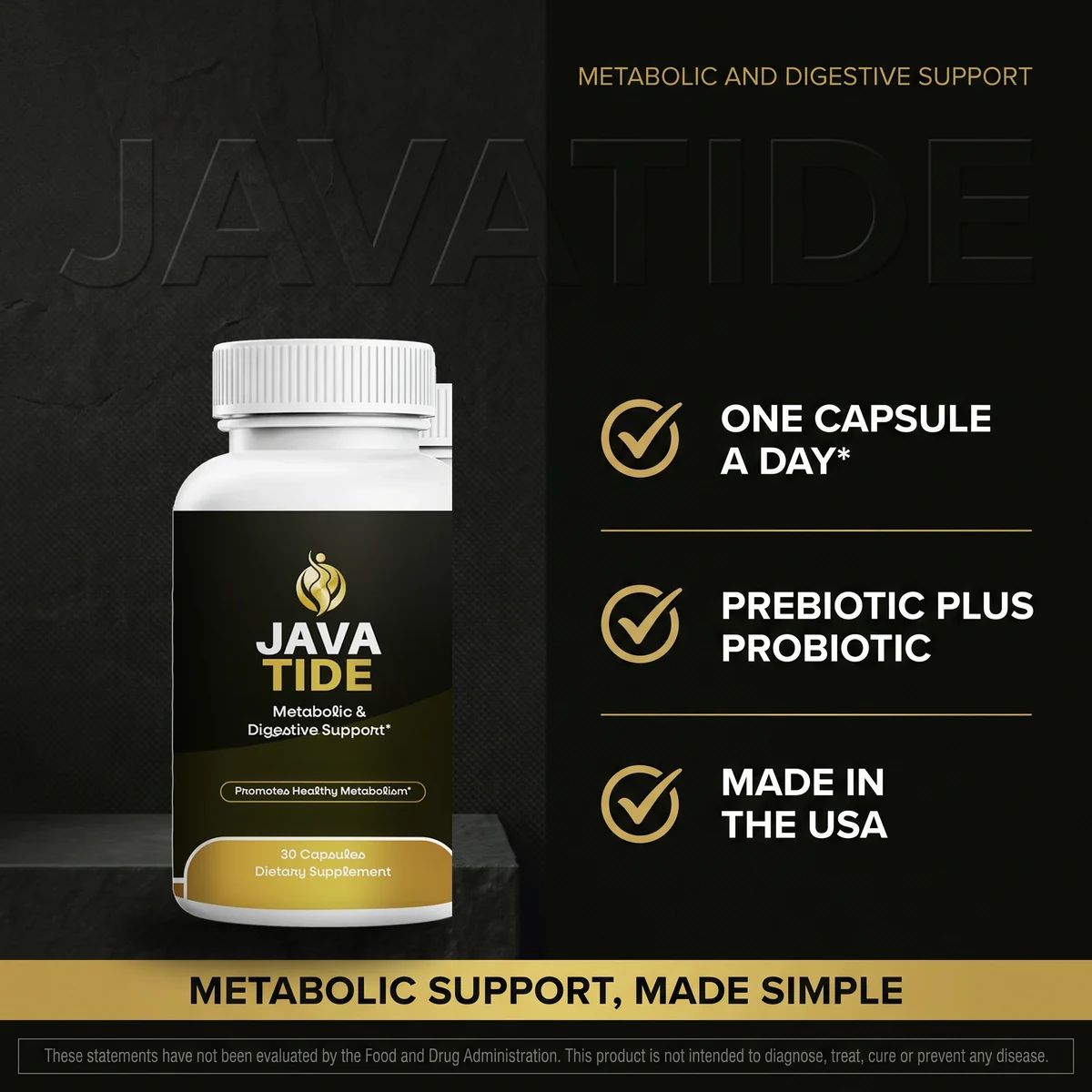
There is one more reason hydration matters when you are eating for weight loss: fibre and water work as a team. As you add more fibre-rich foods — the backbone of a filling, waist-friendly diet — water helps that fibre do its job, keeping digestion comfortable and regular rather than sluggish. If you increase fibre sharply without drinking enough, you can feel puffy and bunged up, which is one reason people give up on healthy changes too soon. We unpack the fluid-and-fibre balance in why do I feel bloated all the time. The same logic applies to a prebiotic supplement like Javatide, which pairs chicory-root inulin and resistant potato starch with a probiotic blend: staying well-hydrated helps the fibre feed your gut smoothly. Water and a well-fed gut are quiet allies, not miracle workers — but together they make steadier eating far easier to sustain.
A note on drinking too much
More is not always better. Drinking very large volumes in a short time can, rarely, dilute the sodium in your blood — a serious condition called hyponatraemia. For almost everyone, spreading normal amounts across the day and drinking to thirst is completely safe. The goal is steady, sensible hydration, not forcing litres at once. This article is general information rather than medical advice; if you have a heart, kidney or liver condition, or take medication that affects fluid balance, ask your doctor how much fluid is right for you. Results from any single habit vary from person to person.
Frequently asked questions
How much water should I drink a day to lose weight?
A common practical target is around 2 to 2.7 litres a day for women and 2.5 to 3.7 litres for men from all drinks and food combined, but needs vary with body size, activity, climate and diet. A simple guide is to drink enough that you are rarely thirsty and your urine is pale straw-coloured. Front-loading water earlier in the day and having a glass before meals is a helpful pattern for appetite.
Does drinking water actually help you lose weight?
Water supports weight loss indirectly. It has no calories, so replacing sugary drinks with it removes a large source of hidden calories; a glass before meals adds fullness so you tend to eat a little less; and it prevents the mild dehydration that is easily mistaken for hunger. There is also modest evidence water can give a small, short-lived bump to energy expenditure. It is a helpful habit, not a fat-burner on its own.
Should I drink water before meals to eat less?
Yes, a glass of water about fifteen to thirty minutes before a meal is a well-supported habit. It adds volume to the stomach so fullness signals arrive sooner, which tends to reduce how much you eat, and it separates genuine hunger from thirst. It is one of the simplest, lowest-effort appetite habits you can adopt.
Can you drink too much water?
Yes, though it is uncommon. Drinking very large volumes in a short time can dilute blood sodium, a rare but serious condition called hyponatraemia. For almost everyone, spreading normal amounts across the day and drinking to thirst is safe and sensible. If you have a heart, kidney or liver condition, ask your doctor how much fluid is right for you.
References
- Outcomes in randomized clinical trials testing changes in daily water intake: a systematic review. JAMA Network Open (2024). PubMed PMID 39585691.
- Sugar-sweetened beverages and weight gain in children and adults: a systematic review and meta-analysis. The American Journal of Clinical Nutrition (2013). PubMed PMID 23966427.
- Drinking water is associated with weight loss in overweight dieting women independent of diet and activity. Obesity (2008). PubMed PMID 18787524.
- Water-induced thermogenesis. The Journal of Clinical Endocrinology & Metabolism (2003). PubMed PMID 14671205.
Sources are linked to their PubMed records so you can check them. Research on an ingredient or a habit is not evidence about any finished product, and no trial has been published on the Javatide formula itself. Last checked 2026-09-03.
† These statements have not been evaluated by the FDA. This product is not intended to diagnose, treat, cure or prevent any disease. This article is for general information only and is not medical advice.