Does Stress Cause Weight Gain? How Cortisol & Comfort Eating Add Up
| The answer | Yes — chronic stress can cause weight gain, mostly indirectly, through cortisol, comfort eating, poor sleep and lost motivation. |
| Where it shows | Elevated cortisol is linked with appetite for calorie-dense food and with fat stored around the belly. |
| What helps | Manage the stress and its knock-on effects together: sleep, movement, steady meals and real downtime. |
When to see a doctor. This article is general information, not medical advice, and no supplement is a treatment, drug or cure for obesity or any other condition. Weight that falls rapidly or without you trying — or any weight change alongside fatigue, fever, night sweats, a lump, blood in the stool or a lasting change in bowel habit — needs a doctor rather than a supplement. Please get it checked before you change anything, and speak to your clinician first if you are pregnant, nursing, under 18 or taking medication.
Most of us have lived it: a punishing few months at work or a hard patch at home, and somehow the clothes stop fitting — even though you were arguably too busy and frazzled to eat much. It feels unfair, and it makes people ask, quite reasonably, does stress cause weight gain? The short answer is yes, but rarely in a direct, calorie-for-calorie way. Stress works through your hormones, your habits and your sleep, quietly tilting the whole system toward storing energy and reaching for comfort. Understanding that chain is the key to breaking it — because you can rarely remove the stressor, but you can change what it does to you.
Does stress cause weight gain? The cortisol connection
When you face a threat — physical or psychological — your body releases adrenaline and then cortisol, the main stress hormone. In a genuine short-term emergency this is brilliant: cortisol mobilises energy so you can respond, and once the threat passes, levels fall. The problem is that modern stress is rarely a lion; it is a deadline, an inbox, a worry that never quite resolves. When the pressure is constant, cortisol stays elevated for weeks or months — and that is where the trouble begins. (Obesity Reviews, 2023)
Chronically raised cortisol nudges appetite upward, and specifically toward sweet, salty and fatty foods. It also influences where the body stores fat, with research linking sustained cortisol to more fat around the abdomen, including the deeper visceral fat wrapped around the organs. So a stressful stretch often shows up first at the waistline — a pattern we explore further in how to reduce belly fat naturally. It is not that stress magically creates fat from nothing; it is that stress changes what you crave, how much you eat and where it lands. (Journal of Internal Medicine, 2002)
The indirect ways stress adds weight
Cortisol is only part of the story. Much of stress-related weight gain comes from the way a stressed life reshapes your daily habits.
Comfort eating and reward
Under stress, the brain’s reward pathways make calorie-dense food genuinely soothing — it dampens the stress response, briefly. That relief is real, which is exactly why the habit sticks: eat, feel better for ten minutes, repeat. Over time, food becomes the default tool for managing hard feelings, and the calories accumulate quietly. It often overlaps with sweet cravings specifically, which we cover in how to stop sugar cravings naturally. (Nutrition, 2007)
Wrecked sleep
Stress and sleep feed each other: worry keeps you awake, and short sleep raises stress hormones the next day. Poor sleep also disturbs the appetite hormones ghrelin and leptin, so you wake up hungrier and reach for quick energy. This is one of the most powerful indirect routes from stress to weight, and we unpack it in does poor sleep cause weight gain.
Lost time, energy and motivation
When you are stretched thin, the first things to go are usually cooking, exercise and planning. Takeaways replace home meals, workouts get skipped, and the fridge fills with convenience food. None of this is a failure of character — it is what a depleted brain does to conserve effort. But the cumulative effect on diet and movement is significant.
The digestive knock-on
Stress also acts on the gut through the gut-brain axis, which can change digestion, appetite and even the balance of gut bacteria. Many people notice their digestion feels off during stressful periods — part of why a calm, well-fed gut matters for steady appetite, a theme we cover in gut health and weight loss.
Support a steady gut through busy, stressful stretches
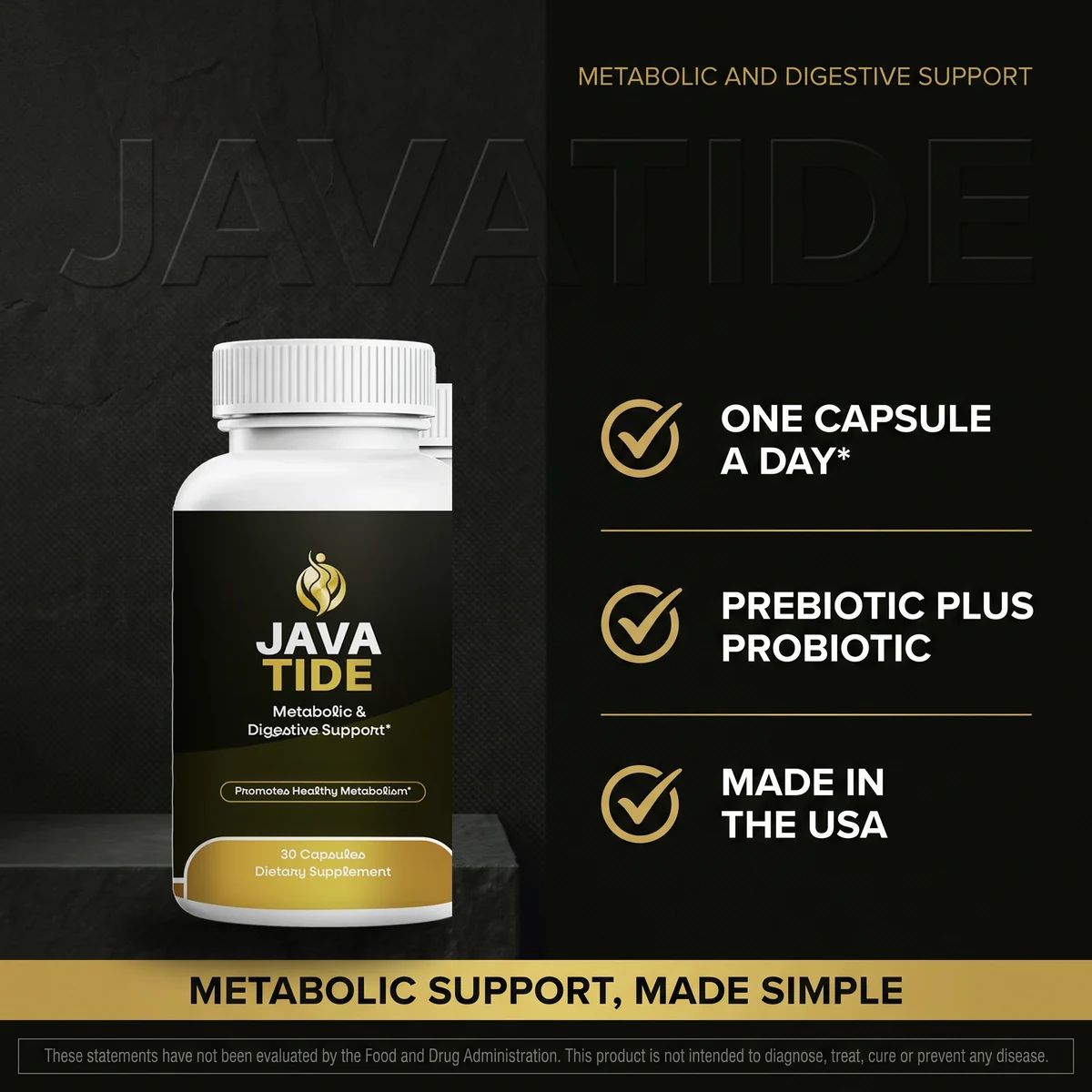
Javatide combines prebiotic chicory-root inulin and resistant potato starch with a targeted probiotic blend — one daily capsule to help support a balanced gut and steady digestion, backed by a 60-day guarantee.
See Javatide Packages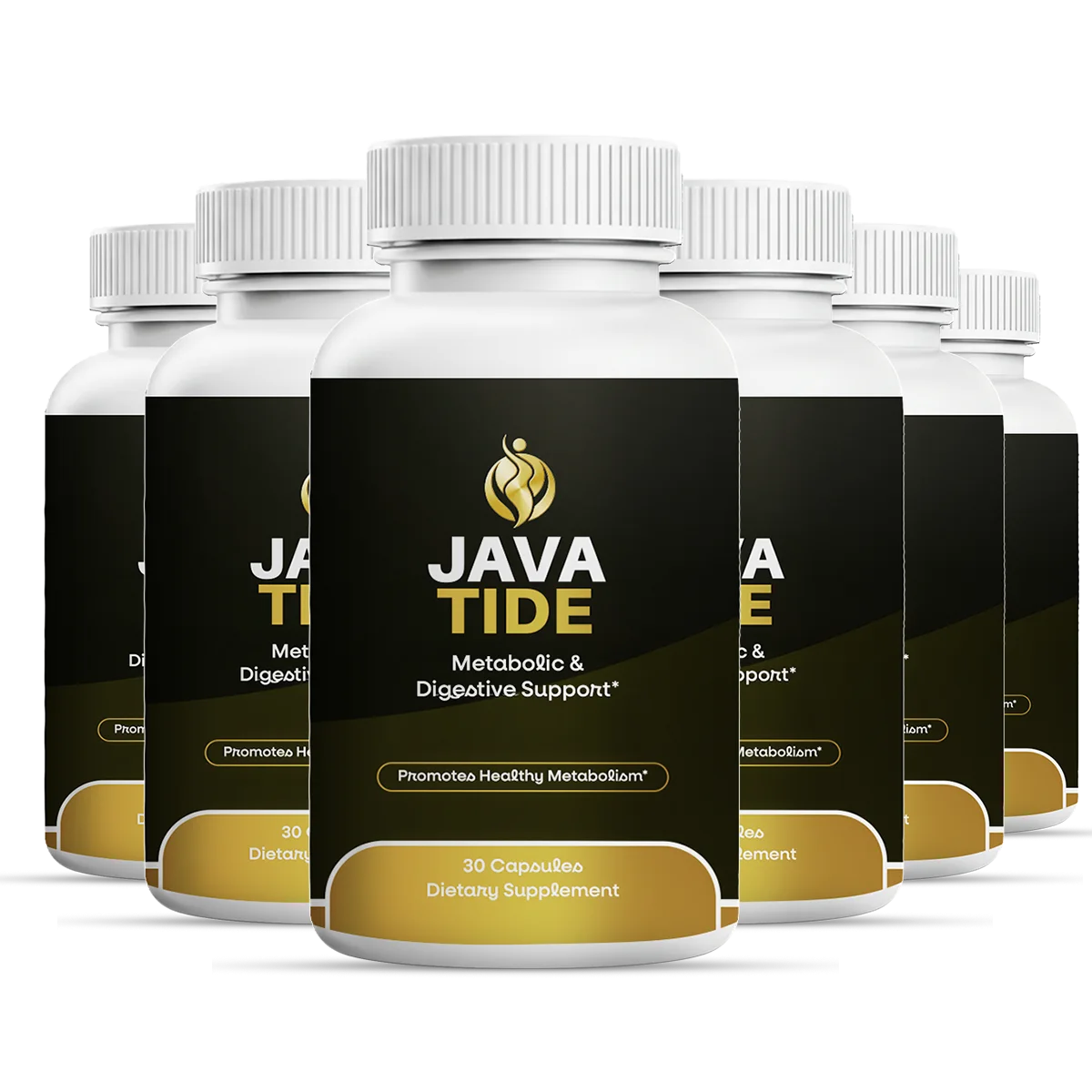
How to calm the stress-weight cycle
You usually cannot delete the source of your stress, but you can blunt its effect on your body and your eating. The aim is to manage the stress and its knock-on effects at the same time:
- ✓ Guard your sleep first. It is the highest-leverage move — better sleep lowers next-day cortisol, hunger and cravings all at once. Watch the caffeine you lean on to get through those days, too, because it cuts both ways — see does coffee help you lose weight for the trade-offs.
- ✓ Move most days. Even a brisk walk lowers stress hormones and lifts mood; it does not have to be a punishing workout.
- ✓ Eat steady protein-and-fibre meals. Running on empty makes stress eating far more likely; regular, balanced meals keep you off the edge.
- ✓ Build in real downtime. Slow breathing, time outdoors, or a few minutes of quiet genuinely lower the stress response.
- ✓ Name the trigger, then pause. When you reach for food, ask whether you are hungry or coping. A ten-minute gap and a glass of water often changes the answer.
- ✓ Plan meals ahead. Decisions made when calm protect you when willpower is low and the day has gone sideways.
Breaking the comfort-eating loop
Comfort eating is a learned response, which means it can be gently unlearned. The trick is not iron willpower — that fails under stress by definition — but redesigning the moment. Start by noticing the cue: a specific feeling, time of day or situation that reliably sends you to the snacks. Then insert a small pause and offer the brain a different response that also brings relief: a short walk, a hot drink, a few minutes of music, a phone call, or simply stepping outside. You are not forbidding the food; you are giving the stress somewhere else to go. Over a few weeks the automatic link weakens, and food stops being your only tool for a hard day. Be patient and kind with yourself here — setbacks are part of the process, not proof it is not working.
Where a gut-first supplement fits in
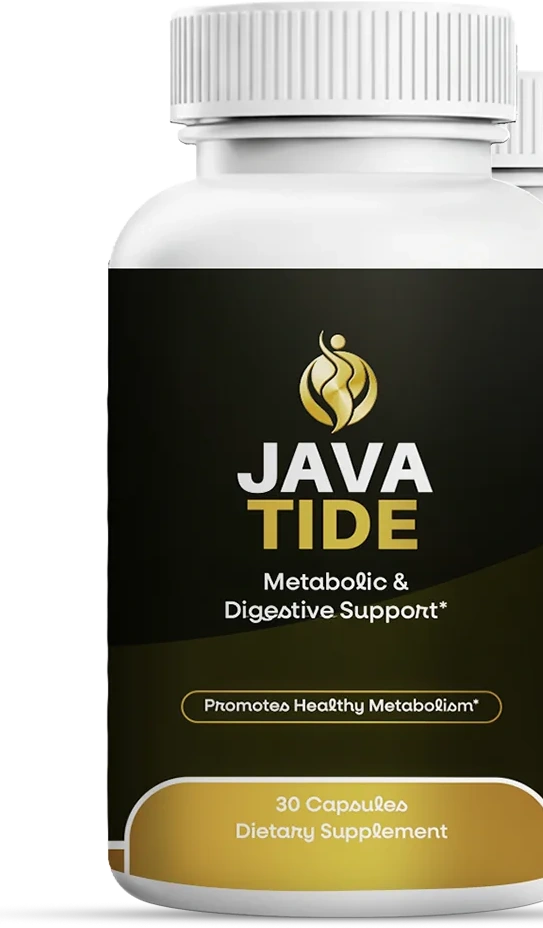

Managing stress, sleep and eating does the real work. But because stress ripples through the gut — and the gut helps govern appetite and digestion — keeping the microbiome well-fed is a sensible supporting habit during demanding stretches. That is the thinking behind Javatide: prebiotic chicory-root inulin and resistant potato starch to feed beneficial bacteria, plus a probiotic blend, in one low-effort daily capsule. It is not a stress cure and it will not override missed sleep and constant pressure, but on the days when everything else feels hard to hold together, a simple daily habit that supports steady digestion is an easy one to keep. If stress has left you feeling puffy and heavy rather than heavier, our guide to constant bloating is a useful companion read.
When to get help
Everyday stress responds well to the habits above, but stress that feels unmanageable, persistent low mood, or eating patterns that feel out of your control deserve proper support. Speaking to your doctor or a mental-health professional is a sign of good sense, not weakness — and treating the stress at its root often does more for your weight than any diet. This article is general information rather than medical advice, and results from lifestyle changes vary from person to person.
Frequently asked questions
Does stress really cause weight gain?
Chronic stress can contribute to weight gain, mostly indirectly. Ongoing stress raises the hormone cortisol, which increases appetite for calorie-dense comfort food, and it disrupts sleep, drains motivation to cook and move, and is linked with more fat storage around the abdomen. Short bursts of stress rarely matter; it is prolonged, unmanaged stress that tends to show up on the scale over time.
Can stress cause belly fat specifically?
Research links elevated cortisol from chronic stress with a tendency to store fat in the abdomen, including deeper visceral fat around the organs. This is one reason a stressful period can show up first at the waistline. Managing stress, protecting sleep and steady eating all help counter that tendency, though individual results vary.
Why do I eat more when I am stressed?
Stress eating is driven by both hormones and habit. Cortisol and reward pathways push you toward sweet, salty, fatty foods that briefly soothe, while eating becomes a learned way to cope with difficult feelings. Because the relief is short-lived, the pattern repeats. Noticing the trigger, pausing, and having a non-food response ready are the most effective ways to break it.
How do I stop stress-related weight gain?
Target the stress and its knock-on effects together: protect your sleep, move your body most days, eat steady protein-and-fibre meals so you are not running on empty, and build in genuine downtime — breathing, walking, time outdoors or with people you enjoy. Planning meals ahead removes decisions when willpower is low. Progress is gradual, and results vary from person to person.
References
- Glucocorticoids, stress and eating: the mediating role of appetite-regulating hormones. Obesity Reviews (2023). PubMed PMID 36480471.
- Relationship between stress, eating behavior, and obesity. Nutrition (2007). PubMed PMID 17869482.
- Visceral fat and psychosocial stress in identical twins discordant for obesity. Journal of Internal Medicine (2002). PubMed PMID 11851863.
Sources are linked to their PubMed records so you can check them. Research on an ingredient or a habit is not evidence about any finished product, and no trial has been published on the Javatide formula itself. Last checked 2026-09-03.
† These statements have not been evaluated by the FDA. This product is not intended to diagnose, treat, cure or prevent any disease. This article is for general information only and is not medical advice.