How to Avoid Weight Gain With a Desk Job: Causes & Simple Daily Fixes
| The problem | A desk job quietly removes the everyday movement that once burned real calories — while office snacks and stress pile them back on. |
| Why it happens | Less incidental activity, long uninterrupted sitting, easy snacks, sugary coffee runs, stress and poor sleep. |
| What helps | Break up sitting hourly, walk on breaks, bring balanced meals, hydrate, protect sleep, and keep muscle with strength work. |
When to see a doctor. This article is general information, not medical advice, and no supplement is a treatment, drug or cure for obesity or any other condition. Weight that falls rapidly or without you trying — or any weight change alongside fatigue, fever, night sweats, a lump, blood in the stool or a lasting change in bowel habit — needs a doctor rather than a supplement. Please get it checked before you change anything, and speak to your clinician first if you are pregnant, nursing, under 18 or taking medication.
You changed nothing about how you eat, but a year into the desk job the clothes fit differently. It is one of the most common and frustrating patterns there is — and it is not your imagination. Figuring out how to avoid weight gain with a desk job starts with seeing what a sedentary workday quietly takes away: the incidental movement that used to burn a meaningful share of your daily calories, replaced by eight or nine hours of near-total stillness. Add easy office snacks and afternoon stress, and the maths tips toward gain. The good news is that the fixes are small, repeatable and fit inside a normal working day. This guide covers the real causes and the simple habits that keep the scale steady. (Obesity, 2015)

Why a desk job leads to weight gain
The core issue is a drop in what scientists call non-exercise activity — all the moving you do that is not a formal workout. Walking to and around a workplace, standing, carrying things, even fidgeting, adds up to a surprisingly large chunk of daily energy use. A desk job strips most of it away, and it happens so gradually that you never feel the loss. But a few hundred fewer calories burned each day, repeated across a year, is exactly how weight creeps on without any change to your diet. (BMJ, 2022)
Sitting also compounds in less obvious ways. Long uninterrupted stretches of stillness dull how your body handles blood sugar after meals, and years of low activity quietly erode muscle — your metabolic engine — lowering your resting burn too. None of this means your metabolism is broken; it means your daily routine changed. And a routine is something you can redesign.
The hidden office causes, one by one
1. You move a fraction of what you used to
This is the biggest driver. From door to chair to car and back, a desk day can involve remarkably few steps. The energy you once spent without thinking simply is not spent any more, and food intake rarely drops to match. (Best Practice & Research Clinical Endocrinology & Metabolism, 2002)
2. The office is an all-day buffet
Shared treats, vending machines, birthday cake, the pastry beside the coffee machine — workplaces are full of easy, calorie-dense food eaten out of habit and proximity rather than hunger. Grazing on autopilot while you work adds calories you barely register.
3. Sugary coffee runs
The afternoon slump sends many people to a sweetened coffee that can carry as many calories as a small meal. It is a daily ritual that quietly stacks up. For how to keep the drink without the damage, see does coffee help you lose weight.
4. Stress and deadlines
Work stress keeps cortisol elevated, which can raise appetite and steer cravings toward sugar and comfort food — and the desk puts snacks within arm’s reach. We unpack that loop in does stress cause weight gain.
5. Poor sleep from screen-heavy days
Long hours in front of screens and a wired-but-tired evening can erode sleep, and poor sleep raises hunger and cravings the next day — the connection covered in does poor sleep cause weight gain. A desk job can quietly attack your weight from the moment you sit down to long after you clock off.
Support your gut and everyday metabolism
Javatide pairs prebiotic chicory-root inulin and resistant potato starch with a targeted probiotic blend — one daily capsule to help support a balanced gut and everyday digestion, backed by a 60-day guarantee. An easy habit to keep at your desk, workday after workday.
See Javatide Packages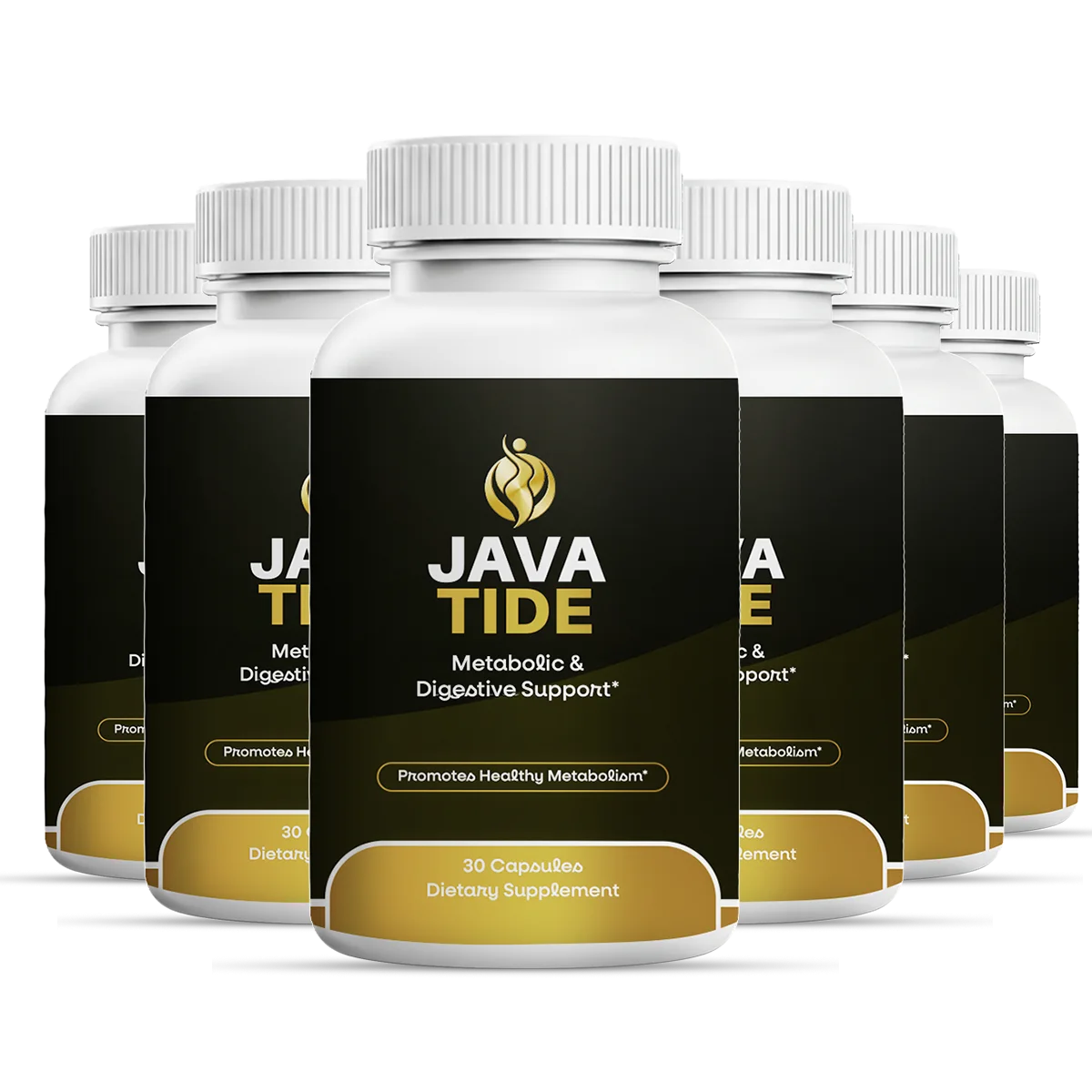
How to avoid weight gain with a desk job: simple daily fixes
You do not need to quit sitting or overhaul your life. You need to rebuild, in small pieces, the movement your job removed and defend against the office food environment.
- ✓ Break up sitting every hour. Stand, stretch or walk for a couple of minutes each hour. Set a reminder if you must — these micro-breaks add up and blunt post-meal blood-sugar spikes. (Diabetes Care, 2012)
- ✓ Walk on your breaks. A lap at lunch, a call taken on your feet, the stairs instead of the lift, parking further away — reclaim the steps the job took.
- ✓ Bring your own meals. A balanced lunch built on protein and fibre keeps you full and beats the vending machine. See the best high-fibre foods for weight loss.
- ✓ Control the snack environment. Keep your desk free of grab-and-graze food; stock a piece of fruit or nuts for genuine hunger instead.
- ✓ Keep water at your desk. Sipping through the day curbs mindless snacking and the sugary-drink habit; see how much water should you drink to lose weight.
- ✓ Protect muscle with strength work. A couple of short sessions a week defend the metabolic engine that long sitting erodes.
- ✓ Guard your sleep. A consistent wind-down keeps tomorrow’s appetite — and willpower — on your side.
Small movement, big difference
The reassuring part is how little it takes. You do not have to find a spare hour for the gym to undo a sedentary day — you have to scatter movement through it. Two minutes on the hour is roughly sixteen extra movement breaks across a workday, each one nudging your energy use up and helping your body handle the meal you just ate. A short walk after lunch does more for blood sugar than most people realise, and a standing desk or a walking meeting turns dead time into active time. None of it feels like exercise, and that is exactly why it sticks. The goal is not to punish yourself for having a desk job; it is to stop the job from quietly deciding your weight.
Where gut health fits in
Movement and meals lead; gut care supports. The microbiome influences appetite, how efficiently you extract energy from food and the background inflammation associated with sedentary weight gain. A diverse, well-fed microbiome is associated with easier weight management, the link we explore in gut health and weight loss. Feeding it well is a low-effort habit that fits neatly into a busy workday.
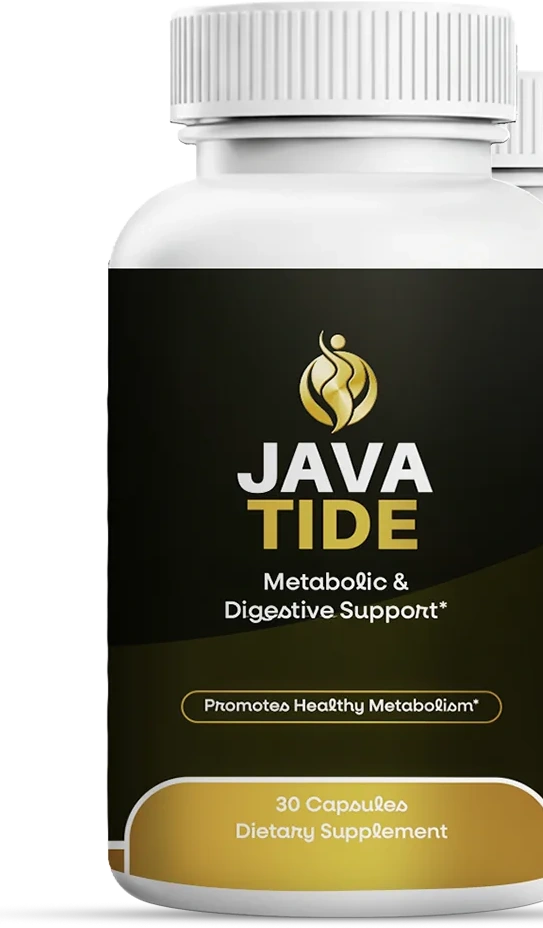
That is the pairing built into Javatide: prebiotic chicory-root inulin and resistant potato starch to feed beneficial bacteria, plus a probiotic blend to reinforce them, in one daily capsule you can keep in a desk drawer. It will not replace standing up and walking, but it is a small, consistent way to support the balanced gut that steady appetite and digestion depend on — a sensible add-on to the movement and meal habits that do the heavy lifting.
Setting realistic expectations
A desk job does not doom you to weight gain — it simply removes a source of movement you have to replace on purpose. The people who stay lean in sedentary roles are rarely the ones with the most intense workouts; they are the ones who stand often, walk on breaks, bring sensible food and protect their sleep. Those habits are small enough to keep for years, which is the whole point. Start with one — an hourly stand, a lunchtime walk, a packed lunch — let it become automatic, then add the next. Results vary from person to person, and this is general information rather than medical advice; if weight gain is sudden or unexplained, talk with your doctor.
Frequently asked questions
Why do I gain weight working a desk job?
A desk job cuts your incidental daily movement dramatically, which lowers how many calories you burn without you noticing. At the same time, office snacks, stress eating, sugary coffee runs and long uninterrupted sitting stack up. The gap between what you eat and what you now burn is what shows up on the scale. Results vary.
How can I avoid gaining weight while sitting all day?
Break up sitting every hour with a short walk or stand, take walking breaks and use the stairs, bring balanced meals instead of relying on office snacks, keep water at your desk, and protect your sleep. These small, repeatable habits rebuild the daily movement a desk job removes and keep your appetite steady.
Does sitting all day slow your metabolism?
Long uninterrupted sitting lowers the incidental movement that makes up a real share of daily energy use, so you burn less overall. It does not permanently break your metabolism, but hours of stillness plus lost muscle over time reduce your daily burn. Standing and moving regularly counteracts most of this.
Can gut health help with desk-job weight gain?
It can play a supporting role. The gut microbiome influences appetite, how you extract energy from food and background inflammation. A diverse, well-fed microbiome is associated with easier weight management, so feeding it prebiotic fibre and probiotics alongside movement and balanced meals is a sensible habit for desk workers.
References
- Meta-analysis of the relationship between breaks in sedentary behavior and cardiometabolic health. Obesity (2015). PubMed PMID 26308477.
- Breaking up prolonged sitting reduces postprandial glucose and insulin responses. Diabetes Care (2012). PubMed PMID 22374636.
- Effectiveness of an intervention for reducing sitting time and improving health in office workers: three arm cluster randomised controlled trial. BMJ (2022). PubMed PMID 35977732.
- Non-exercise activity thermogenesis (NEAT). Best Practice & Research Clinical Endocrinology & Metabolism (2002). PubMed PMID 12468415.
Sources are linked to their PubMed records so you can check them. Research on an ingredient or a habit is not evidence about any finished product, and no trial has been published on the Javatide formula itself. Last checked 2026-09-03.
† These statements have not been evaluated by the FDA. This product is not intended to diagnose, treat, cure or prevent any disease. This article is for general information only and is not medical advice.