Best High-Fiber Foods for Weight Loss: A Daily Eating Guide
| Why fibre | The best high-fiber foods for weight loss keep you full for fewer calories, steady blood sugar and feed the gut bacteria that support appetite. |
| Aim for | Around 25–30 g a day — most people get half that — from legumes, oats, fruit, vegetables, nuts and seeds. |
| Go slow | Increase fibre gradually and drink plenty of water to avoid gas and bloating while your gut adjusts. |
When to see a doctor. This article is general information, not medical advice, and no supplement is a treatment, drug or cure for obesity or any other condition. Weight that falls rapidly or without you trying — or any weight change alongside fatigue, fever, night sweats, a lump, blood in the stool or a lasting change in bowel habit — needs a doctor rather than a supplement. Please get it checked before you change anything, and speak to your clinician first if you are pregnant, nursing, under 18 or taking medication.
If there were a single nutrient that quietly did the most for weight loss, fibre would be a strong contender — and almost nobody eats enough of it. Fibre keeps you full for fewer calories, steadies the blood-sugar swings that drive cravings, and feeds the gut bacteria increasingly tied to a healthy metabolism. Yet most people get only about half the recommended amount. This guide covers the best high-fiber foods for weight loss, explains why fibre is so effective, and shows you how to build up your intake without the gas and bloating that put people off. It is not a crash diet; it is a small, sustainable shift in what fills your plate. (Journal of the American College of Nutrition, 2013)

Why fibre works so well for weight loss
Fibre is the part of plant food your body cannot fully digest, and that is precisely what makes it useful. Because it is not broken down like other carbohydrates, it adds volume and slows everything down without adding many calories. That plays out in several ways that all point toward a healthier weight.
First, fibre-rich foods are simply more filling. They take up room in the stomach and take longer to eat and digest, so a high-fibre meal keeps you satisfied for hours on fewer calories. Second, soluble fibre forms a gel in the gut that slows the release of sugar into the blood, flattening the spike-and-crash cycle that drives hunger and sweet cravings — the same mechanism behind stopping sugar cravings naturally. Third, fibre is the main food for your gut bacteria; when they ferment it, they produce short-chain fatty acids that help stimulate the fullness hormones GLP-1 and PYY. That gut connection is central to the appetite story we cover in gut health and weight loss. Finally, high-fibre whole foods tend to crowd out the calorie-dense, heavily processed snacks that make weight loss hard — so eating more fibre often means eating less of everything you were trying to cut anyway. (Critical Reviews in Food Science and Nutrition, 2024)
Soluble vs insoluble fibre — and why you want both
Fibre comes in two broad types, and a good diet includes plenty of each. Soluble fibre dissolves in water to form that satisfying gel — it is the type that steadies blood sugar, helps lower cholesterol and feeds gut bacteria. You will find it in oats, beans, lentils, apples, citrus, carrots and chia seeds. Insoluble fibre does not dissolve; instead it adds bulk and helps food move through the gut, keeping you regular. It is concentrated in whole grains, wheat bran, nuts, and the skins of fruit and vegetables. Most whole plant foods contain a mix of both, so you do not need to track them separately — simply eating a variety of minimally processed plants naturally gives you a good balance.
A daily fibre top-up for your gut
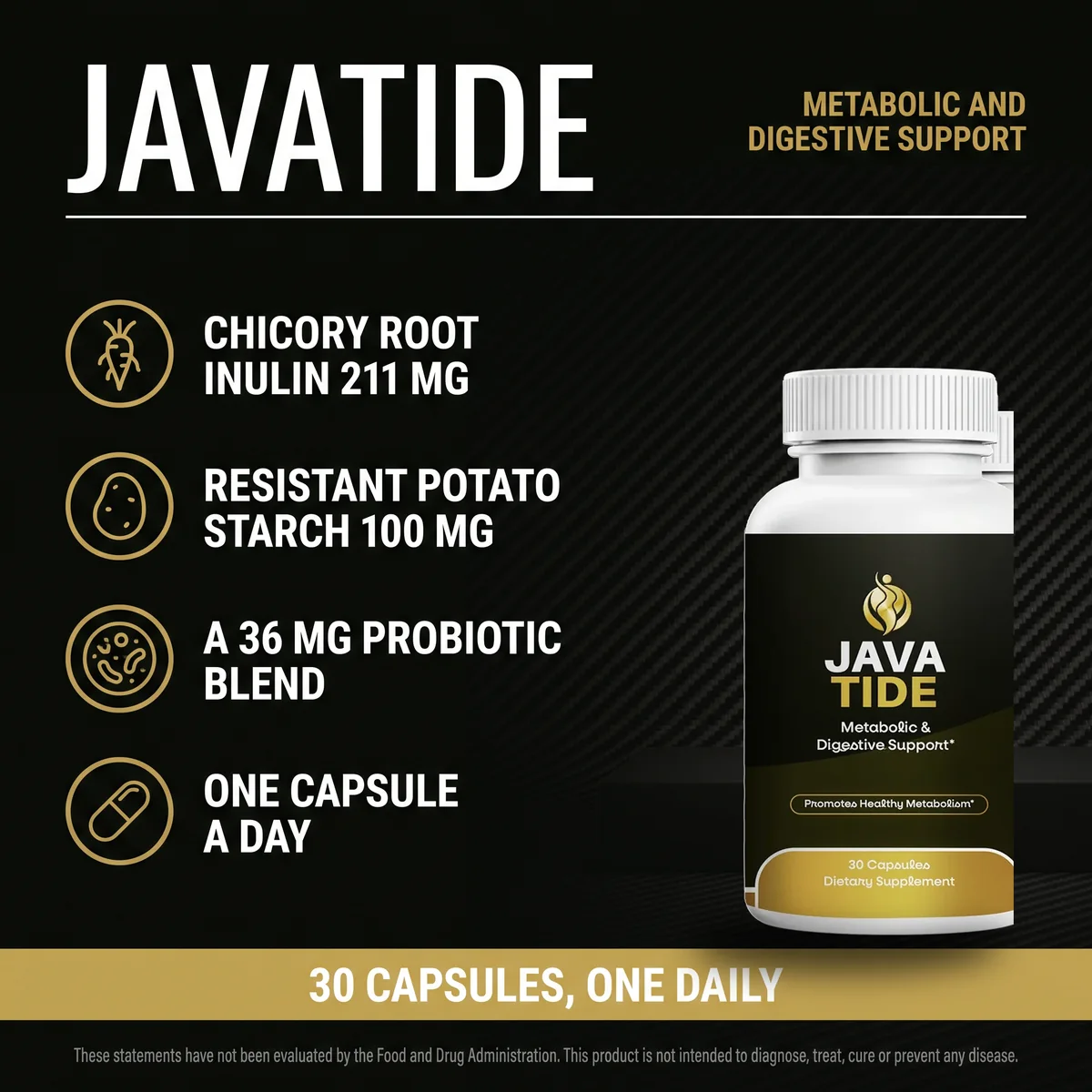
Javatide combines prebiotic chicory-root inulin and resistant potato starch with a targeted probiotic blend — concentrated prebiotic fibre in one daily capsule to help feed a balanced gut, backed by a 60-day guarantee.
See Javatide Packages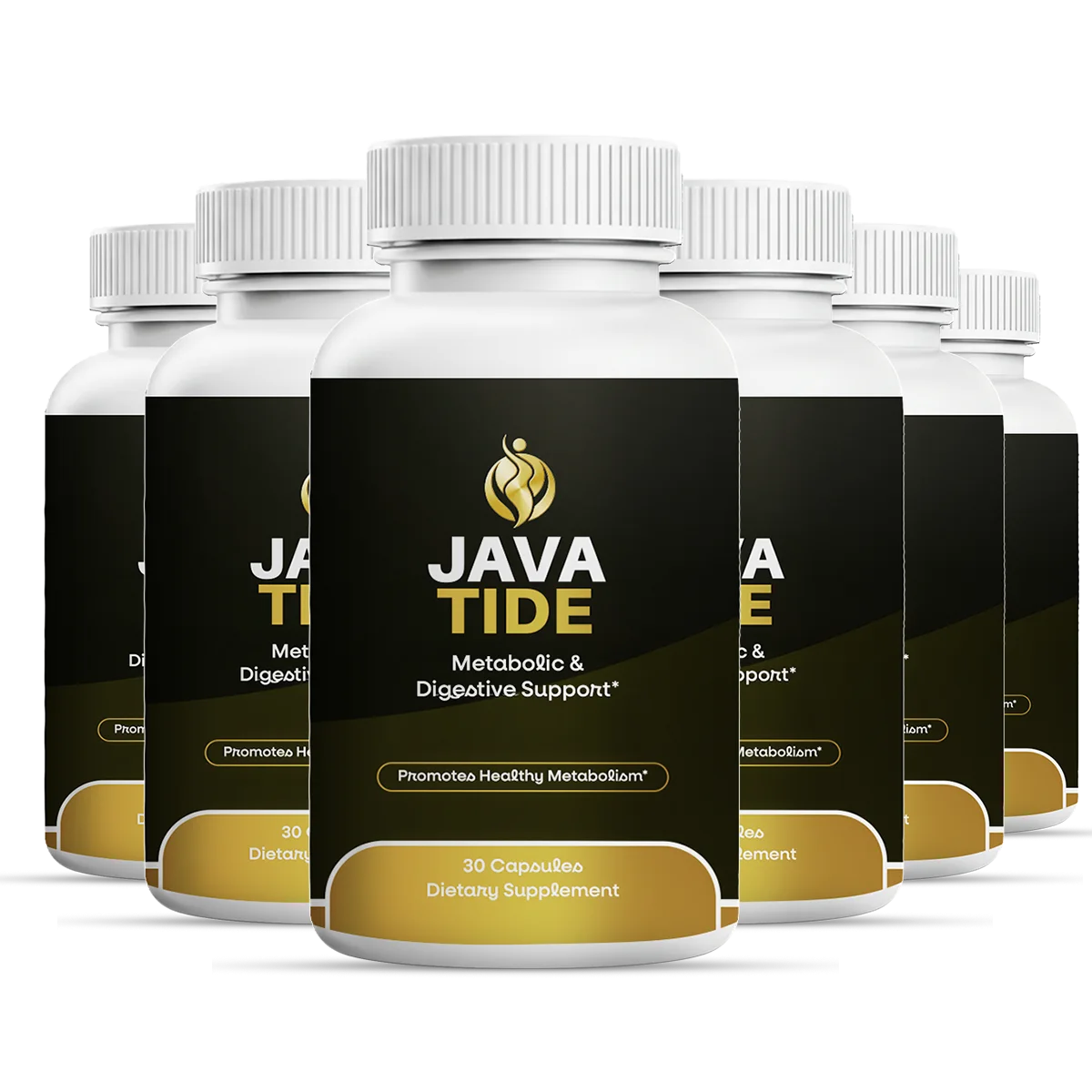
The best high-fiber foods for weight loss
You do not need exotic superfoods. The most effective high-fibre foods are ordinary, affordable and easy to build meals around:
- ✓ Legumes — beans, lentils, chickpeas. The fibre champions: filling, protein-rich and roughly 6–8 g of fibre per cooked half-cup.
- ✓ Oats and barley. Rich in beta-glucan, a soluble fibre that steadies blood sugar and keeps you full through the morning.
- ✓ Berries, pears and apples. High-fibre fruit with the skin on — sweet satisfaction without a blood-sugar spike.
- ✓ Vegetables — broccoli, leafy greens, carrots. High volume, low calorie; the easiest way to bulk out any plate.
- ✓ Nuts and seeds — chia, flax, almonds. A tablespoon of chia adds around 5 g of fibre; great in yoghurt or porridge.
- ✓ Whole grains — wholewheat, brown rice, quinoa. Swap in for their refined versions to add fibre with no extra effort.
A useful rule of thumb: make half your plate vegetables, choose whole versions of grains, and add a legume or a spoon of seeds somewhere in the day. Do that consistently and you will comfortably reach the recommended 25 to 30 grams without counting a single gram. (Nutrition & Diabetes, 2024)
How to add fibre without the bloating
Here is the mistake that derails people: going from a low-fibre diet to a very high one overnight. Your gut bacteria need time to adjust, and a sudden flood of fibre they are not used to fermenting can cause gas, cramping and bloating — which feels like the opposite of progress and sends people running back to white bread. The fix is simple: increase fibre gradually over two to three weeks, and drink plenty of water alongside it, because fibre needs fluid to move smoothly. If you tend to feel puffy, our guide on why you feel bloated all the time and the fluid-and-fibre balance in how much water to drink are worth a look. Add one fibre-rich food at a time, give your gut a few days to catch up, and the temporary bloating settles as your microbiome adapts. (International Journal of Obesity, 2015)
Where a prebiotic supplement fits in
Whole foods should always come first — they bring fibre alongside protein, vitamins and minerals no capsule can match. But a concentrated prebiotic can be a convenient top-up on busy days or for people who struggle to hit their fibre target from food alone. That is the role of Javatide, which delivers prebiotic chicory-root inulin and resistant potato starch — fibres that specifically feed beneficial gut bacteria — plus a probiotic blend, in one daily capsule. Think of it as insurance for your fibre intake and a way to support the gut behind steady appetite, not a replacement for beans and greens. As with dietary fibre, drink enough water and give your gut time to settle in.
Putting it together across a day
A high-fibre day is easier to picture than to calculate. Breakfast might be porridge with berries and a spoon of chia, which front-loads soluble fibre and keeps you full into the afternoon. Lunch could be a big salad or grain bowl built on leafy greens, a whole grain and a scoop of chickpeas or lentils for staying power. An afternoon snack of fruit with a few nuts, or vegetables with hummus, tops up fibre and protein together. Dinner leans on half a plate of vegetables, a whole grain and a protein, with beans folded into stews and soups whenever it fits. Nothing here is restrictive or unusual — it is simply choosing the fuller, less processed version at each meal. Do it most days and the fibre does its quiet work: steadier appetite, fewer cravings and a genuinely more satisfying way to eat for weight. Results vary from person to person, and this is general information rather than medical advice; if you have a digestive condition, check with your doctor before making big changes to your fibre intake.
Frequently asked questions
What are the best high-fiber foods for weight loss?
The most useful high-fibre foods for weight loss are legumes (beans, lentils, chickpeas), oats and barley, whole fruit such as berries, pears and apples, vegetables like broccoli and leafy greens, and nuts and seeds such as chia and flax. These are filling for few calories and feed beneficial gut bacteria. Aiming for a mix of soluble and insoluble fibre across the day works better than relying on any single food.
How does fiber help you lose weight?
Fibre adds volume and slows digestion, so high-fibre meals keep you fuller for longer on fewer calories. Soluble fibre in particular forms a gel that steadies blood sugar and helps stimulate fullness hormones, while feeding gut bacteria that support appetite balance. Because fibre-rich whole foods are also less processed, they tend to displace calorie-dense snacks. It is one of the most reliable, sustainable eating habits for weight.
How much fiber should I eat a day?
Most adults are advised to aim for around 25 to 30 grams of fibre a day, yet many people get only about half that. Increase gradually over a couple of weeks rather than all at once, and drink plenty of water alongside, to avoid gas and bloating while your gut adjusts. Whole foods should come first, with supplements as a top-up if needed.
What is the difference between soluble and insoluble fiber?
Soluble fibre dissolves in water to form a gel that slows digestion, steadies blood sugar and feeds gut bacteria — found in oats, beans, apples and chia. Insoluble fibre does not dissolve; it adds bulk and helps keep you regular — found in whole grains, vegetable skins and nuts. Both matter for weight and digestion, so a varied diet that includes each is ideal.
References
- The effect of fiber on satiety and food intake: a systematic review. Journal of the American College of Nutrition (2013). PubMed PMID 23885994.
- The role of dietary fibers in regulating appetite, an overview of mechanisms and weight consequences. Critical Reviews in Food Science and Nutrition (2024). PubMed PMID 36193993.
- Longitudinal associations of dietary fiber and its source with 48-week weight loss maintenance, cardiometabolic risk factors and glycemic status under metformin or acarbose treatment. Nutrition & Diabetes (2024). PubMed PMID 39358341.
- The role of short chain fatty acids in appetite regulation and energy homeostasis. International Journal of Obesity (2015). PubMed PMID 25971927.
Sources are linked to their PubMed records so you can check them. Research on an ingredient or a habit is not evidence about any finished product, and no trial has been published on the Javatide formula itself. Last checked 2026-09-03.
† These statements have not been evaluated by the FDA. This product is not intended to diagnose, treat, cure or prevent any disease. This article is for general information only and is not medical advice.