How to Stop Sugar Cravings Naturally: Causes & Daily Habits That Help
| The urge | Sugar cravings are usually a signal — from blood-sugar dips, hunger, poor sleep or stress — not a lack of willpower. |
| What quiets it | Protein and fibre at every meal, steady hydration, better sleep, and not letting yourself get too hungry. |
| The slow lever | A balanced, well-fed gut is linked to steadier appetite signalling over time. |
When to see a doctor. This article is general information, not medical advice, and no supplement is a treatment, drug or cure for obesity or any other condition. Weight that falls rapidly or without you trying — or any weight change alongside fatigue, fever, night sweats, a lump, blood in the stool or a lasting change in bowel habit — needs a doctor rather than a supplement. Please get it checked before you change anything, and speak to your clinician first if you are pregnant, nursing, under 18 or taking medication.
If the afternoon slump sends you straight to the biscuit tin, you already know that willpower alone rarely wins. Learning how to stop sugar cravings naturally starts with a reframe: a craving is not a character flaw, it is a signal. Your body is telling you something about your blood sugar, your last meal, your sleep or your stress levels. Once you can read that signal, you can answer it with a habit instead of a handful of sweets — and that is where lasting change comes from. (Current Opinion in Clinical Nutrition and Metabolic Care, 2017)

Why do I crave sugar so much? The real causes
Cravings feel mysterious, but the drivers are surprisingly consistent. Almost every intense sugar craving traces back to one or more of these:
Blood-sugar spikes and crashes
Refined carbohydrates — white bread, pastries, sugary drinks — send your blood sugar up fast, and your body responds by pulling it back down just as fast. That crash leaves you feeling low, foggy and suddenly desperate for more quick sugar. It is a loop: the sweet fix that ends one crash sets up the next one. Steadier meals break the cycle.
Skipped meals and not enough protein
When you go too long without eating, or when a meal is mostly refined carbs with little protein, your blood sugar and fullness signals wobble. By mid-afternoon you are not just hungry, you are craving the fastest possible energy — which the brain reads as “sugar, now.” (BMJ, 2012)
Poor sleep
A short night tips your appetite hormones off balance, raising hunger-driving ghrelin and dulling the satisfaction signal from leptin. Tired people reliably crave more sugar and refined carbs the next day. If cravings spike after bad nights, sleep is your lever — a link we explore in poor sleep and weight gain. (Annals of Internal Medicine, 2004)
Stress and emotional habit
Stress raises cortisol, which nudges appetite toward calorie-dense comfort food. Layer on the plain force of habit — the 3pm treat, the sweet after dinner — and the brain starts expecting sugar at set times whether the body needs it or not.
An imbalanced gut
This is the newest piece of the picture. The gut microbiome talks to the brain through the gut-brain axis and helps regulate the appetite hormones that govern hunger and fullness. A more diverse, well-fed microbiome is associated with steadier appetite signalling, while an imbalanced one may nudge preferences toward the very foods that feed the less helpful bacteria. We unpack that connection in our guide to gut health and weight loss.
Feed a steadier gut, the simple way
Javatide combines prebiotic chicory-root inulin and resistant potato starch with a targeted probiotic blend — one daily capsule to help support a balanced gut, backed by a 60-day guarantee.
See Javatide Packages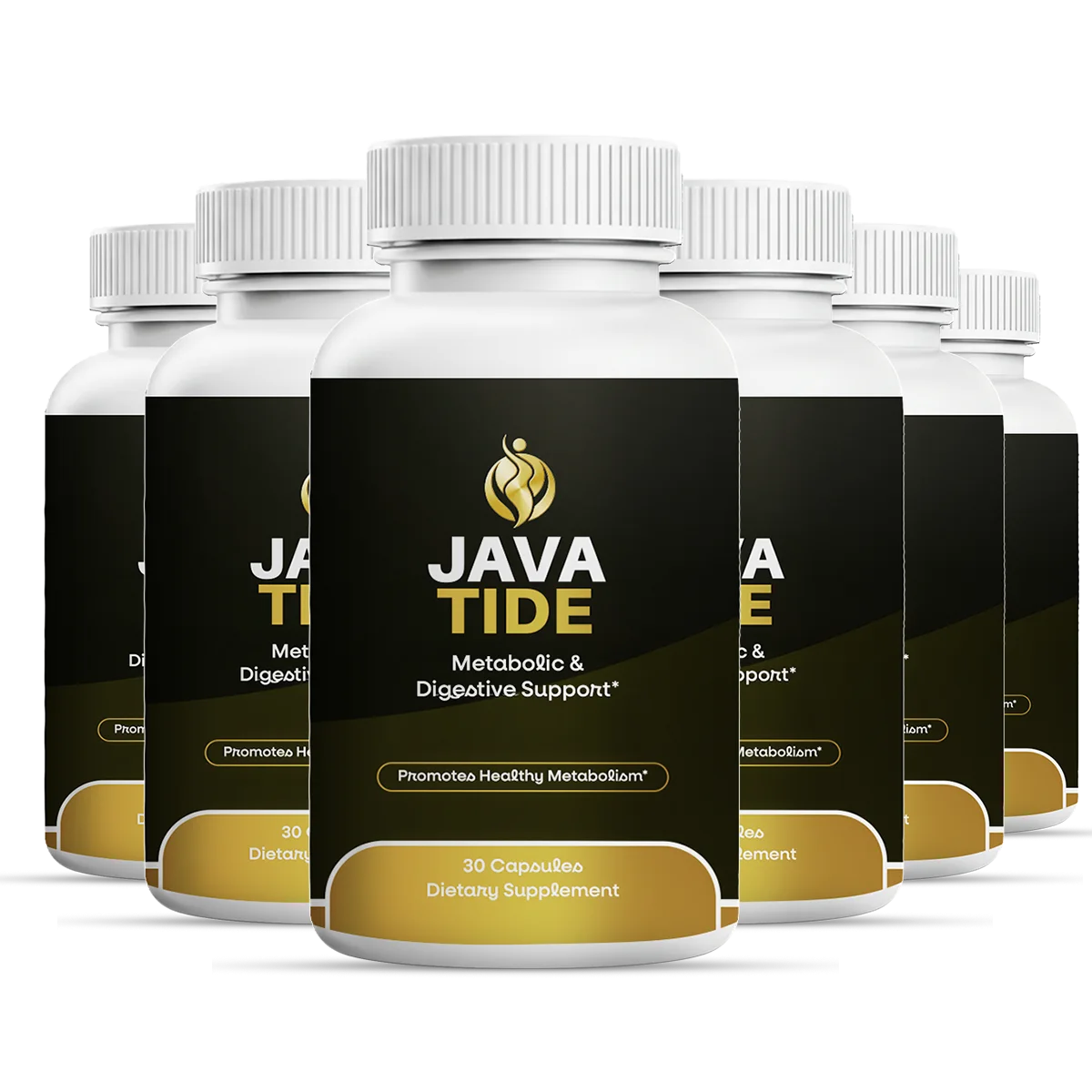
How to stop sugar cravings naturally: the daily habits that work
You cannot out-willpower a blood-sugar crash, but you can build days where the crash never happens. These habits do most of the heavy lifting:
- ✓ Anchor every meal with protein. Eggs, Greek yoghurt, beans, fish or chicken slow digestion and keep blood sugar level for hours.
- ✓ Add fibre to every plate. Vegetables, whole grains and legumes blunt the blood-sugar spike and keep you fuller for longer.
- ✓ Do not let yourself get ravenous. Extreme hunger almost always ends in a sugar decision. Eat on a reasonable rhythm.
- ✓ Drink water first. Thirst is often mistaken for a craving. A glass of water and ten minutes frequently settles it.
- ✓ Protect your sleep. Even one better night can noticeably lower next-day cravings.
- ✓ Break the habit loop. If 3pm always means sweets, replace it — a walk, fruit with nuts, herbal tea — until the cue fades.
Smart swaps that satisfy without the crash
The goal is not a joyless, sugar-free existence — it is choosing sweetness that comes with fibre, protein or fat so it does not spike and crash you. Reach for whole fruit instead of fruit juice; dark chocolate over milk chocolate; Greek yoghurt with berries instead of a flavoured dessert pot; a small handful of nuts with a date instead of a chocolate bar. Each swap gives your brain the reward it wants while smoothing out the blood-sugar rollercoaster underneath. (BMJ, 2023)
Give it a week or two of steadier eating and most people notice the sharpest cravings genuinely fade. That is not magic — it is your blood sugar levelling out and the habit loop loosening its grip.
Where a gut-first supplement fits in
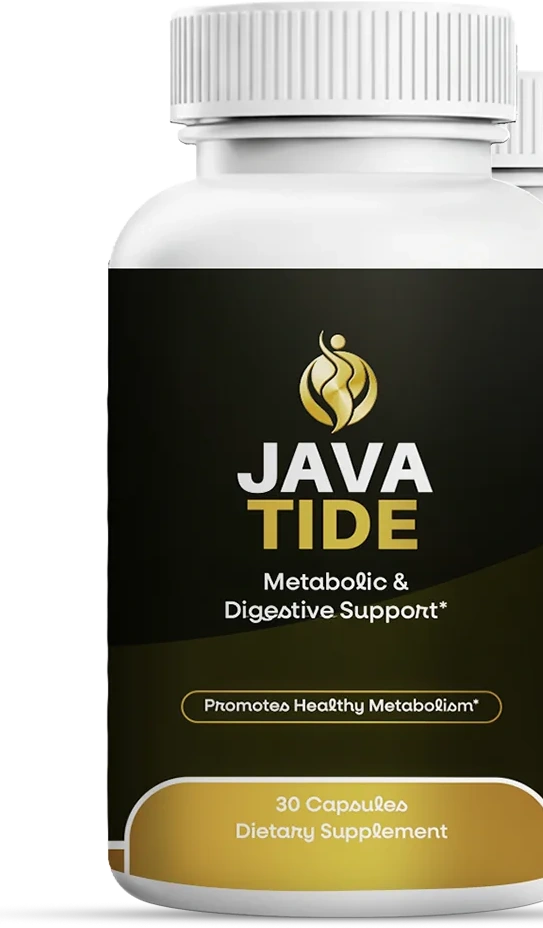
Habits and food come first. But because the gut plays a growing role in appetite, keeping it well-fed is a sensible long-game move. Prebiotic fibres like chicory-root inulin and resistant potato starch feed beneficial bacteria, while a probiotic blend reinforces them — the pairing built into Javatide. A daily prebiotic-plus-probiotic capsule will not override a diet of constant sugar, but as part of steadier days it is a low-effort way to support the microbiome that helps regulate hunger. If your cravings track with feeling puffy and heavy, our guide on constant bloating is a useful companion read. None of it needs a training plan either, as we set out in how to lose weight without exercise.
What a craving-proof day actually looks like
It helps to picture the whole day rather than fixating on the moment a craving hits, because by then the decision has largely been made for you by the hours before. A steady day tends to look something like this. Breakfast leads with protein and fibre — eggs and wholegrain toast, or Greek yoghurt with berries and nuts — so your blood sugar starts level instead of spiking on a pastry and a sugary coffee. Lunch keeps that pattern going, pairing protein with plenty of vegetables and a slow carbohydrate, which carries you through the afternoon without a 3pm collapse.
The danger zone for most people is late afternoon, so plan for it rather than white-knuckle through it. Keep a genuinely satisfying option within reach — a piece of fruit with a handful of nuts, some hummus and vegetables, or a yoghurt — and drink a glass of water first. In the evening, a balanced dinner and an early cut-off for screens protect the sleep that keeps tomorrow’s cravings low. None of this is restrictive; it is simply front-loading good decisions so willpower has less work to do when you are tired and busy. If the urge keeps landing after dinner instead, the evening-specific triggers are covered in how to stop late-night snacking.
Setting realistic expectations
No food or supplement switches cravings off like a light. What steadier meals, better sleep and a balanced gut can do is make the cravings quieter and easier to ride out — so a wobble becomes a shrug rather than a binge. Those small daily wins compound over months into a genuinely different relationship with sugar. Results vary from person to person, and this is general information rather than medical advice; if you have diabetes or another condition affecting blood sugar, work with your doctor.
Frequently asked questions
Why do I crave sugar so much?
Sugar cravings are usually driven by a mix of blood-sugar swings, skipped or low-protein meals, poor sleep, stress and habit. Refined carbohydrates spike then crash your blood sugar, and that dip is what your brain reads as an urgent need for something sweet. Your gut bacteria and daily routine play a part too.
How can I stop sugar cravings naturally?
Eat protein and fibre at each meal to keep blood sugar steady, stay hydrated, prioritise sleep, manage stress, and don’t let yourself get overly hungry. Swapping refined snacks for whole foods and giving your gut steady prebiotic fibre can also reduce the intensity of cravings over time. Results vary.
Does gut health affect sugar cravings?
Emerging research suggests the gut microbiome can influence appetite and food preference through the gut-brain axis and appetite hormones. A more balanced, well-fed microbiome is associated with steadier appetite signalling, though cravings are shaped by many factors and no single change guarantees results.
How long does it take for sugar cravings to go away?
Many people find the sharpest cravings ease within one to two weeks of steadier meals and less refined sugar, as blood sugar stabilises and the habit loop weakens. It varies from person to person and is not guaranteed.
References
- Carbohydrate craving: not everything is sweet. Current Opinion in Clinical Nutrition and Metabolic Care (2017). PubMed PMID 28375878.
- Dietary sugars and body weight: systematic review and meta-analyses of randomised controlled trials and cohort studies. BMJ (2012). PubMed PMID 23321486.
- Brief communication: sleep curtailment in healthy young men is associated with decreased leptin levels, elevated ghrelin levels, and increased hunger and appetite. Annals of Internal Medicine (2004). PubMed PMID 15583226.
- Dietary sugar consumption and health: umbrella review. BMJ (2023). PubMed PMID 37019448.
Sources are linked to their PubMed records so you can check them. Research on an ingredient or a habit is not evidence about any finished product, and no trial has been published on the Javatide formula itself. Last checked 2026-09-03.
† These statements have not been evaluated by the FDA. This product is not intended to diagnose, treat, cure or prevent any disease. This article is for general information only and is not medical advice.