Why Do I Feel Bloated All the Time? Causes, Triggers & Daily Fixes
| What it is | Constant bloating is usually gas or fluid in the digestive tract — not fat — that makes your belly feel tight and swollen. |
| Why it happens | Eating too fast, salty and ultra-processed food, low water intake, sudden fibre changes and an imbalanced gut. |
| What helps | Slower meals, steady hydration, gentle movement, gradual fibre and a better-fed gut microbiome over time. |
When to see a doctor. This article is general information, not medical advice, and no supplement is a treatment, drug or cure for obesity or any other condition. Weight that falls rapidly or without you trying — or any weight change alongside fatigue, fever, night sweats, a lump, blood in the stool or a lasting change in bowel habit — needs a doctor rather than a supplement. Please get it checked before you change anything, and speak to your clinician first if you are pregnant, nursing, under 18 or taking medication.
If you keep asking yourself “why do I feel bloated all the time?”, you are far from alone. A tight, swollen, sometimes uncomfortable belly is one of the most common everyday complaints there is — and one of the most misread. Many people assume that a stomach that balloons after meals means they are gaining weight, when in reality bloating and fat gain are two completely different things. Understanding what is actually happening in your gut is the first step to feeling lighter and more comfortable day to day. (The American Journal of Gastroenterology, 2017)
Bloating vs. real weight gain: what is actually happening
Bloating is a short-term build-up of gas or fluid inside your digestive tract. It can appear within an hour of a meal, stretch your waistband, and then quietly fade by the next morning. Real fat gain, by contrast, is slow and steady — it happens over weeks and months as your body stores surplus energy, and it does not swing up and down within a single day.
That difference matters. If your stomach looks flat in the morning and rounded by evening, you are almost certainly dealing with gas and water, not new fat. Recognising that can take a lot of the anxiety out of the mirror — and it points you toward the real fixes, which are about digestion and daily habits rather than crash dieting.
The everyday causes of constant bloating
There is rarely a single cause. For most people, chronic bloating is the sum of several small, fixable habits. Here are the ones that come up most often.
1. Eating too fast and swallowing air
When you rush a meal, you swallow air along with your food, and that air has to go somewhere. Fast eating also means larger, poorly chewed pieces reach your gut, giving bacteria more to ferment. Slowing down — chewing thoroughly, putting the fork down between bites — is one of the simplest and most underrated anti-bloat habits.
2. Too much salt and ultra-processed food
Sodium makes your body hold on to water. A single salty restaurant meal or a day of packaged snacks can leave you visibly puffier the next morning. Ultra-processed foods also tend to be low in fibre and high in additives that some people find hard to digest, compounding the effect. (Advances in Therapy, 2019)
3. Not enough fibre — or too much, too fast
Fibre is essential for smooth digestion, but it is a balancing act. Too little and things move sluggishly, backing up and producing gas. Too much too suddenly — a big salad, a scoop of fibre powder, a plate of beans when you rarely eat them — overwhelms your gut bacteria and creates a burst of fermentation. The trick is to raise fibre gradually and drink more water alongside it. Our roundup of the best high-fiber foods for weight loss is a good place to see which foods to add first.
4. An imbalanced gut microbiome
The trillions of bacteria in your gut do much of the work of digestion. When that community is out of balance — too many gas-producing species, not enough of the helpful ones — even ordinary meals can leave you bloated. Feeding the good bacteria with prebiotic fibre and reinforcing them with probiotics is a slower, root-level approach that many people find settles their digestion over weeks. We go deeper into that connection in our guide to gut health and weight loss. (Clinical Nutrition, 2023)
5. Hormones and the monthly cycle
For many women, bloating follows a predictable rhythm. In the days before a period, shifting oestrogen and progesterone cause the body to retain water and can slow digestion, producing that familiar premenstrual puffiness. It is temporary and normal, though knowing the pattern makes it far less alarming.
6. Food sensitivities and carbonation
Lactose, certain sweeteners (like sorbitol and xylitol), and fizzy drinks are common personal triggers. If your bloating clusters around specific foods or drinks, a simple food diary for a week or two can reveal the pattern faster than any test. (Gut, 2022)
Support smoother digestion, the gentle way
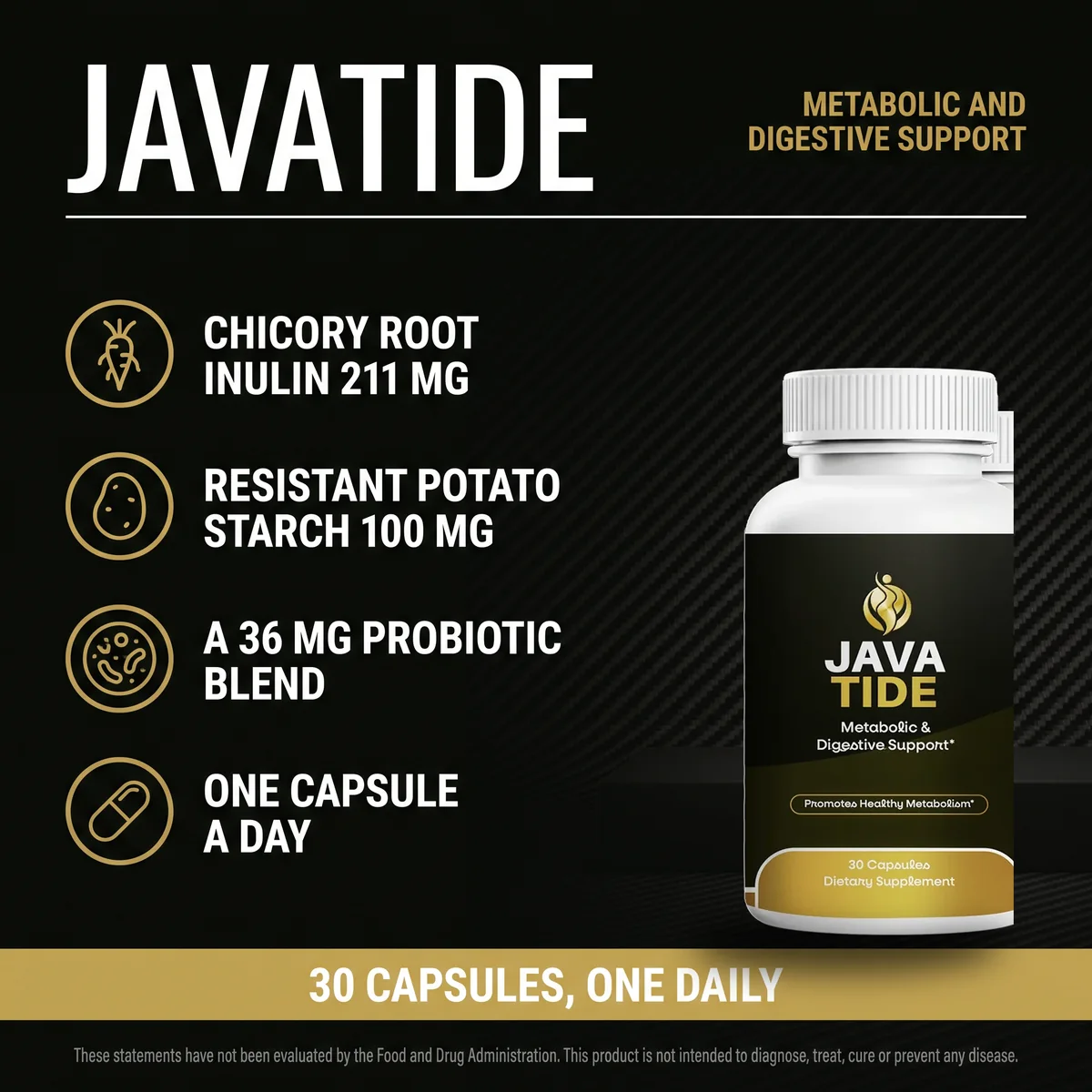
Javatide pairs prebiotic chicory-root inulin and resistant potato starch with a targeted probiotic blend — one daily capsule to help feed a balanced gut, backed by a 60-day guarantee.
See Javatide Packages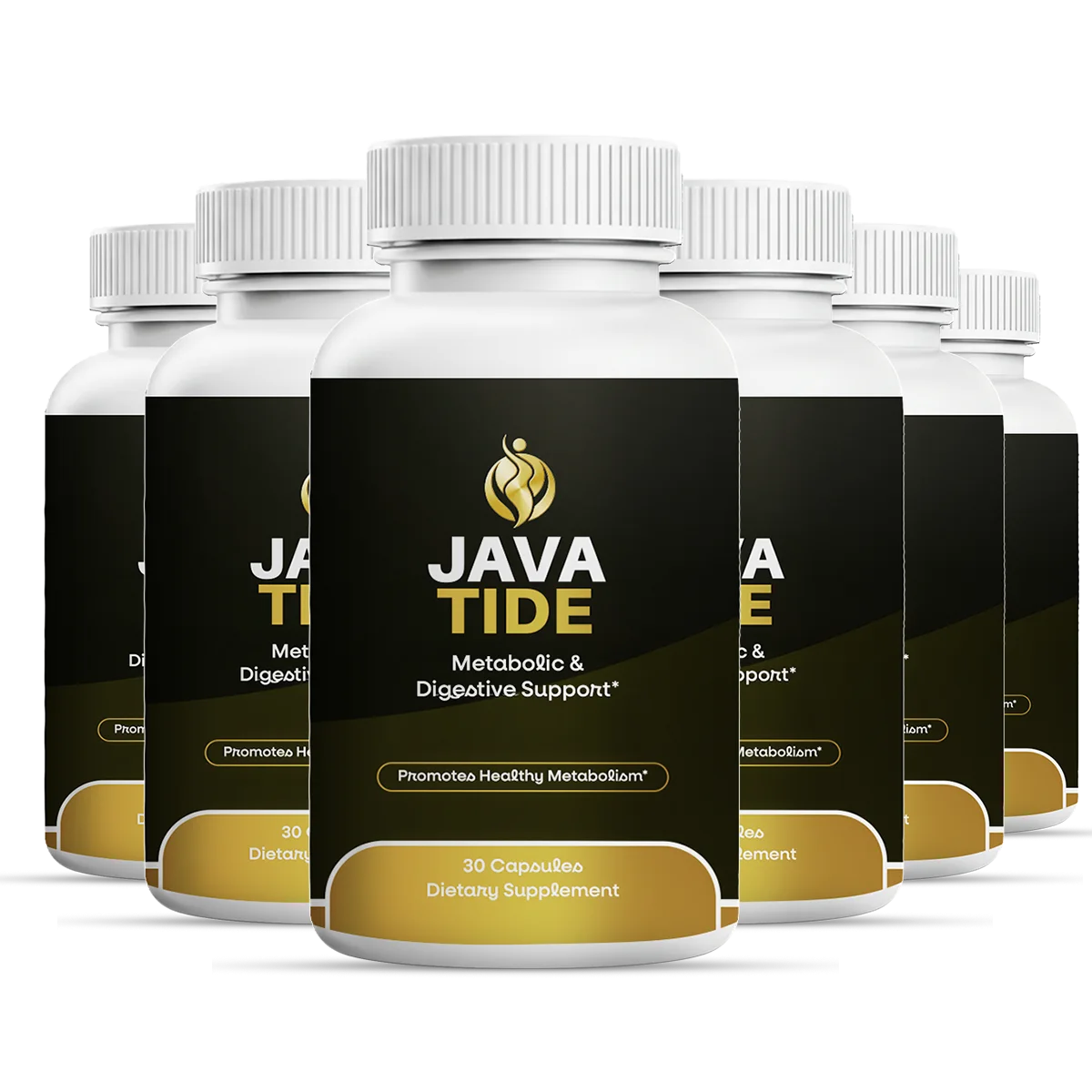
Daily habits that ease bloating
You do not need a dramatic detox to feel less bloated. A handful of consistent habits do most of the work: Sitting still for hours makes every one of them harder, which is one more reason to build in the movement breaks from avoiding weight gain with a desk job.
- ✓ Eat slowly and mindfully. Chew well, sit down for meals, and avoid eating on the move.
- ✓ Hydrate through the day. Water helps fibre move smoothly and counters the puffiness that salt causes.
- ✓ Walk after meals. Ten minutes of gentle movement helps gas pass and digestion progress.
- ✓ Raise fibre gradually. Add one new high-fibre food at a time so your gut can adapt.
- ✓ Cut back on ultra-processed, salty foods. Cook more from whole ingredients where you can.
- ✓ Keep a simple food diary. Spotting your personal triggers beats guessing.
Foods that help — and foods that trigger
Some foods tend to calm the gut, while others reliably stir it up. Gentle, hydrating choices include cucumber, leafy greens eaten in modest amounts, ginger, peppermint tea, and fermented foods like yoghurt and kefir that add live cultures. On the other side, the usual suspects are very salty snacks, carbonated drinks, sugar alcohols in “diet” products, and large portions of beans or cruciferous vegetables eaten before your gut is used to them.
None of this means banning healthy foods forever. Beans, broccoli and onions are excellent for you; the goal is to introduce them steadily so your microbiome has time to build the bacteria that digest them without so much gas.
Where a gut-first supplement fits in
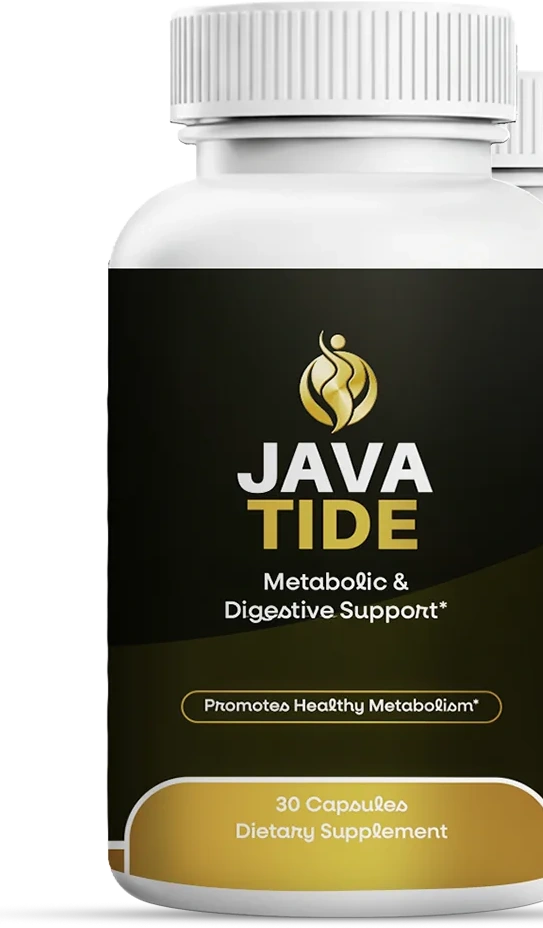
Food and habits come first, always. But if your everyday diet is short on fibre, a combined prebiotic-plus-probiotic capsule can be a low-effort way to stay consistent. Prebiotic fibres such as chicory-root inulin and resistant potato starch act as fuel for beneficial bacteria, while a targeted probiotic blend reinforces them — the same pairing built into Javatide. The value is not in any single dose but in showing up for your gut every day, the way you would with brushing your teeth.
One practical note that trips people up: when you first add prebiotic fibre, a little extra gas is normal as your gut adjusts. Start with the suggested serving, drink a full glass of water with it, and give it a couple of weeks. The temporary bump usually settles as your microbiome rebalances. If you are curious how sleep and stress feed into all of this, our piece on poor sleep and weight gain covers the overlap.
When bloating is more than a nuisance
Most bloating is harmless and habit-driven. But it is worth being honest about the exceptions. Bloating that is severe, painful, persistent for several weeks, or paired with unexplained weight loss, blood in the stool, persistent vomiting, or a sudden change in bowel habits deserves a doctor’s attention. Those are signals to get checked, not to self-treat. This article is general information about everyday digestion, not medical advice — if something feels wrong, talk to a professional.
Frequently asked questions
Why do I feel bloated all the time even when I eat healthy?
Healthy foods can still cause bloating. High-fibre vegetables, beans, onions and some fruits ferment in the gut and produce gas, especially if you increase them quickly. Eating fast, not drinking enough water and an imbalanced gut microbiome can all add to it — so the culprit is often how and how quickly you eat, not just what.
Is bloating the same as gaining fat?
No. Bloating is a temporary build-up of gas or fluid in the digestive tract that makes the belly feel tight and swollen; it usually eases within hours. Fat gain happens gradually over weeks. If your waistband feels different day to day, that swing is almost always bloating and water, not fat.
How can I reduce bloating naturally?
Eat more slowly, cut back on ultra-processed and very salty foods, drink water through the day, move after meals, and increase fibre gradually rather than all at once. Feeding your gut with prebiotic fibre and probiotics over time can also help the microbiome settle. Results vary from person to person.
When should I see a doctor about bloating?
Bloating that is severe, painful, persistent for weeks, or comes with unexplained weight loss, blood in the stool, vomiting or a change in bowel habits should be checked by a doctor. This article is general information, not medical advice.
References
- Bloating and abdominal distension: old misconceptions and current knowledge. The American Journal of Gastroenterology (2017). PubMed PMID 28508867.
- Bloating and abdominal distension: clinical approach and management. Advances in Therapy (2019). PubMed PMID 30879252.
- Efficacy of a low FODMAP diet in irritable bowel syndrome: systematic review and network meta-analysis. Gut (2022). PubMed PMID 34376515.
- Efficacy and safety of probiotics in the treatment of irritable bowel syndrome: a systematic review and meta-analysis of randomised clinical trials using ROME IV criteria. Clinical Nutrition (2023). PubMed PMID 37031468.
Sources are linked to their PubMed records so you can check them. Research on an ingredient or a habit is not evidence about any finished product, and no trial has been published on the Javatide formula itself. Last checked 2026-09-03.
† These statements have not been evaluated by the FDA. This product is not intended to diagnose, treat, cure or prevent any disease. This article is for general information only and is not medical advice.