How to Reduce Belly Fat Naturally: What Causes It & Daily Habits That Help
| Why it’s stubborn | Belly fat is fed by several habits at once — refined carbs, alcohol, stress, poor sleep and lost muscle — so no single trick shifts it. |
| What works | Learning how to reduce belly fat naturally means steady all-round habits: protein and fibre, less refined sugar, movement, sleep and calmer days. |
| The slow lever | A balanced gut supports steady digestion and appetite — a quiet ally for the long game. |
When to see a doctor. This article is general information, not medical advice, and no supplement is a treatment, drug or cure for obesity or any other condition. Weight that falls rapidly or without you trying — or any weight change alongside fatigue, fever, night sweats, a lump, blood in the stool or a lasting change in bowel habit — needs a doctor rather than a supplement. Please get it checked before you change anything, and speak to your clinician first if you are pregnant, nursing, under 18 or taking medication.
Belly fat is the change people notice first and lose last. You can be eating reasonably and still watch the waistband tighten, which is frustrating and a little baffling. The reason is that the midsection responds to more inputs than almost any other part of the body — food, alcohol, stress, sleep, hormones and muscle all leave their mark there. So the honest answer to how to reduce belly fat naturally is not a secret food or a five-minute routine. It is understanding what is feeding it, then removing those drivers one steady habit at a time. This guide walks through the real causes and the daily changes that actually move the needle. (Current Obesity Reports, 2015)
First, what belly fat actually is
Not all belly fat is the same. Just under the skin sits subcutaneous fat — the soft layer you can pinch. Deeper in the abdomen, wrapped around the organs, sits visceral fat, which is more metabolically active and more responsive to lifestyle. A protruding, firm midsection often reflects visceral fat, while a soft roll is more subcutaneous. The encouraging part is that visceral fat tends to be among the first to respond when you improve diet, sleep and stress — so the belly that feels most stubborn on the outside is often changing on the inside first. (Obesity Science & Practice, 2024)
It is also worth separating fat from bloating. A belly that swells and settles across the day, or after certain meals, is usually gas and fluid rather than fat — a different problem with different fixes, which we cover in why do I feel bloated all the time.
What causes stubborn belly fat
Belly fat is rarely down to one thing. Most people are running several of these drivers together, which is exactly why it feels so hard to shift.
Refined carbohydrate and added sugar
A diet heavy in white bread, pastries, sugary drinks and sweets keeps blood sugar and insulin elevated, and consistently high insulin encourages fat storage around the middle. Cutting back on refined sugar and swapping to slower carbohydrates is one of the highest-impact changes for the waistline. (The American Journal of Clinical Nutrition, 2013)
Alcohol
“Beer belly” is not just a phrase. Alcohol is calorie-dense, lowers inhibitions around food, and is preferentially processed by the liver in a way that favours fat storage in the abdomen. Even a modest daily drink adds up. Reducing alcohol is often the single fastest change people see reflected at the waist.
Chronic stress and cortisol
Ongoing stress raises cortisol, and elevated cortisol is linked with appetite for calorie-dense food and with fat storage in the abdomen specifically. If your belly has grown during a stressful stretch, this is likely part of why — a link we explore in does stress cause weight gain. (Obesity Reviews, 2023)
Poor sleep
Short, broken sleep disturbs the appetite hormones ghrelin and leptin, raises next-day hunger, and is independently associated with more abdominal fat. Better nights make every other habit easier to keep. See does poor sleep cause weight gain for the full picture.
Lost muscle and less movement
From your thirties onward, muscle gradually declines unless you actively work to keep it. Because muscle is metabolically busy tissue, losing it lowers your daily calorie burn and makes fat easier to gain — often at the middle. This is a big part of the mid-life waistline story we cover in how to boost metabolism naturally after 40.
Genetics and hormones
Where your body stores fat is partly written in your genes, and hormonal shifts — including those around menopause — can steer more storage toward the abdomen. You cannot change your genes, but you can change everything stacked on top of them, and that is usually enough to make a visible difference.
Support steady digestion while you build the habits
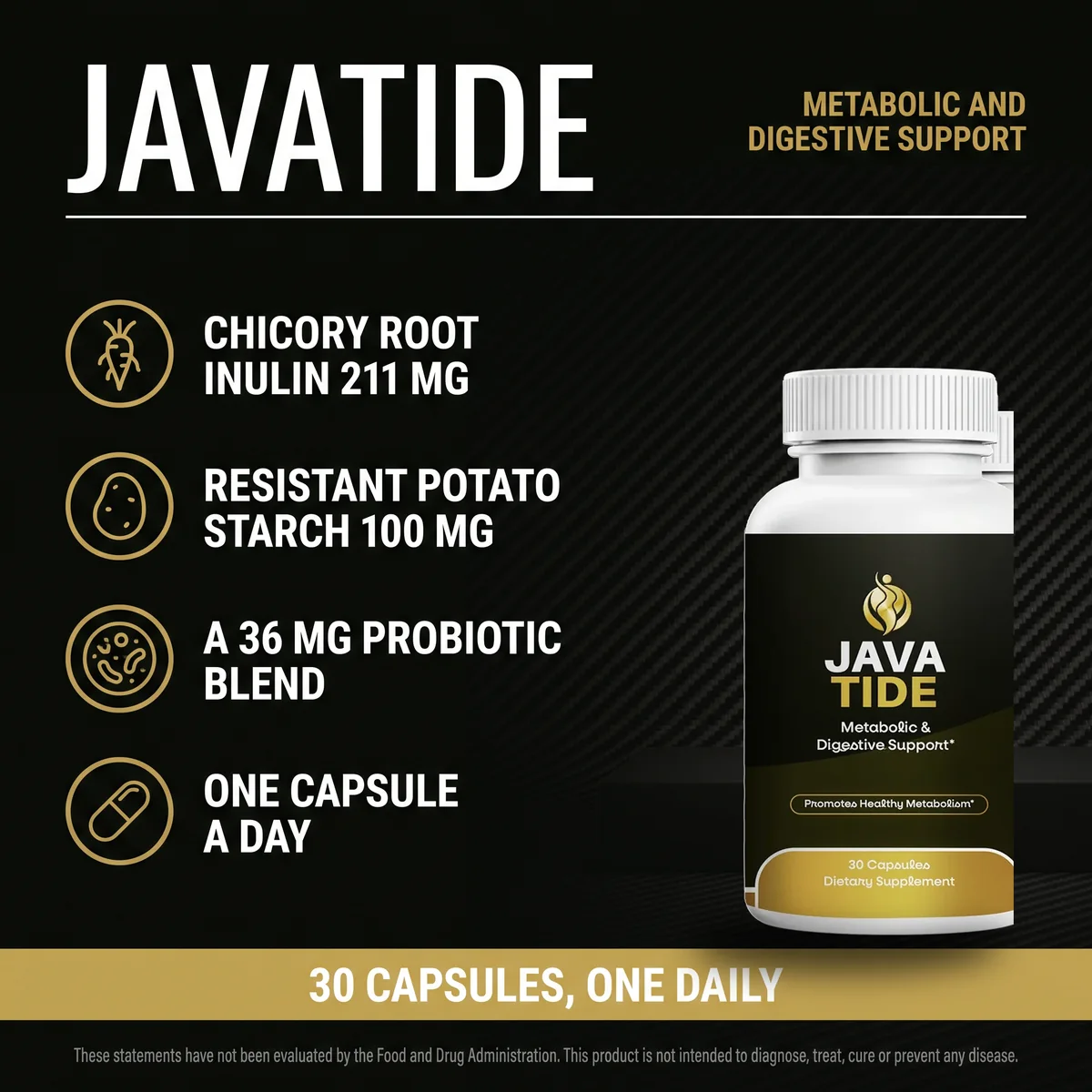
Javatide combines prebiotic chicory-root inulin and resistant potato starch with a targeted probiotic blend — one daily capsule to help support a balanced gut and steady digestion, backed by a 60-day guarantee.
See Javatide Packages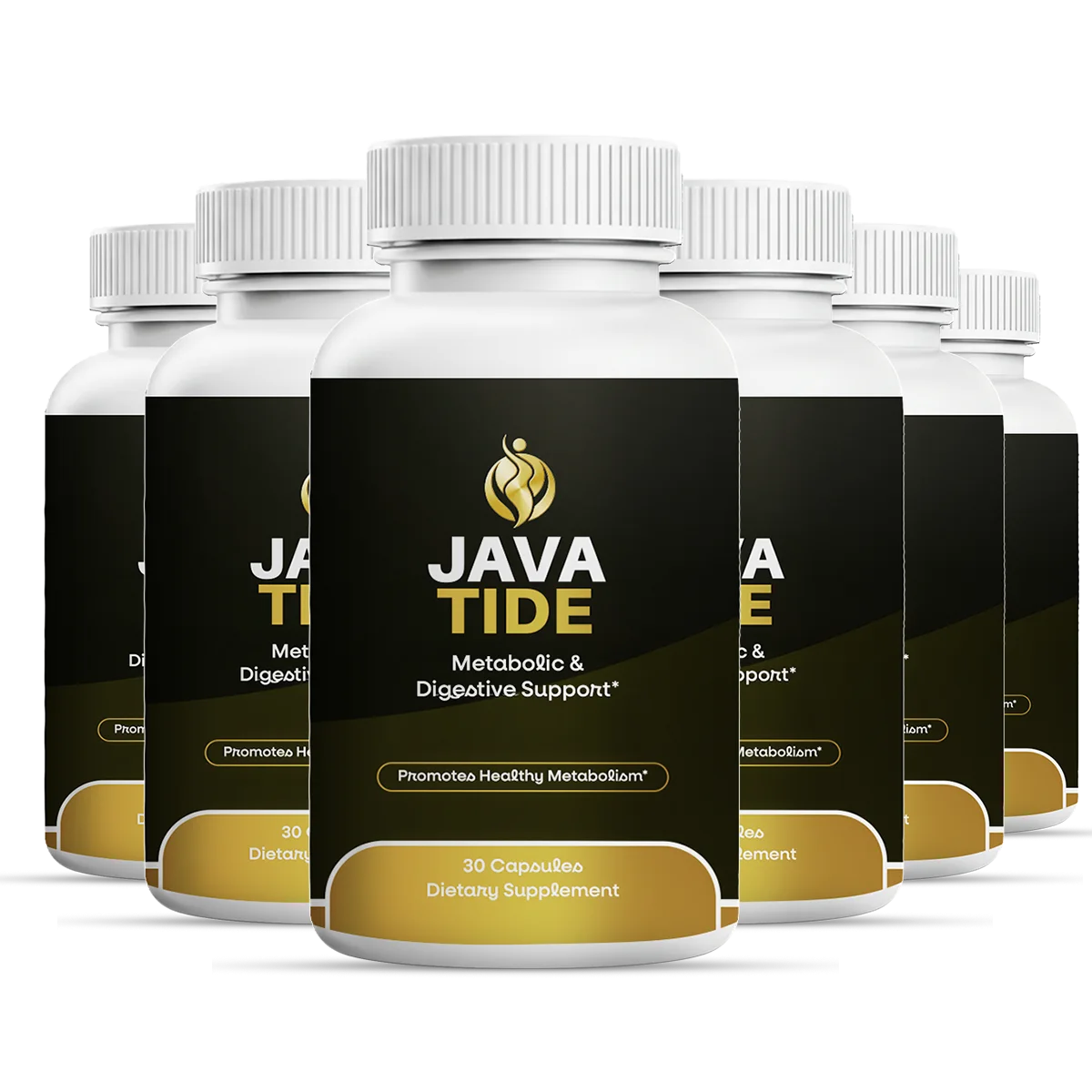
How to reduce belly fat naturally: the daily habits that work
Because belly fat has several causes, the fix is not one dramatic move but a handful of steady habits held for long enough to compound. These carry most of the result:
- ✓ Build meals around protein and fibre. They keep you full, protect muscle and steady blood sugar — the foundation of losing fat without constant hunger.
- ✓ Cut back on refined sugar and refined carbs. Swap white bread, sweets and sugary drinks for whole grains, fruit and water to lower the insulin load.
- ✓ Rein in alcohol. Fewer drinks — or several alcohol-free days a week — is one of the most visible changes for the waist.
- ✓ Add strength training. Two or three short sessions a week preserve the muscle that keeps your metabolism ticking.
- ✓ Move more overall. Daily walking and general activity burn far more, over time, than any single workout.
- ✓ Protect sleep and manage stress. Both quietly govern the hormones that steer fat to the belly.
The myth of spot reduction
It is worth saying plainly: you cannot burn fat off one specific area with targeted exercises. Endless crunches will strengthen your abdominal muscles, but they do nothing to the fat layer sitting on top of them. When you lose fat, your body draws on stores from all over, in an order largely set by your genetics — and the belly is often last in the queue. That is not a reason to skip core work, which helps posture and strength, but it is a reason to stop chasing “belly-fat exercises” as a shortcut. Overall fat loss through diet, sleep, stress and movement is what eventually reveals a flatter midsection.
Where a gut-first supplement fits in
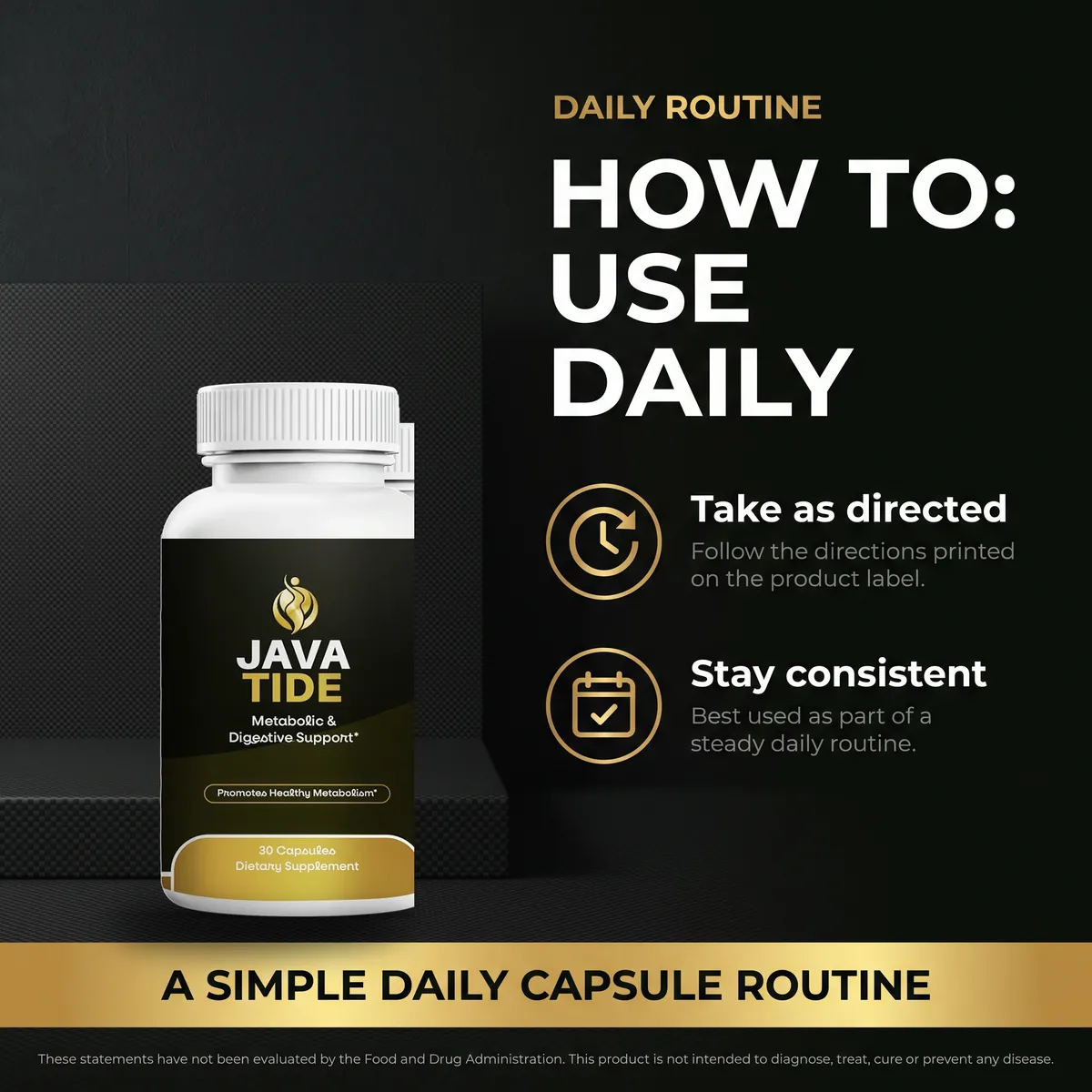
Diet and lifestyle do the heavy lifting, but a healthy gut plays a supporting role in the metabolism-and-appetite picture. The bacteria in your gut help govern how you digest food, how full you feel and how your body handles energy, so keeping the microbiome well-fed is a sensible long-game habit — the connection we detail in gut health and weight loss. That is the idea behind Javatide: prebiotic chicory-root inulin and resistant potato starch to feed beneficial bacteria, plus a probiotic blend, in one daily capsule. It is not a fat-burner and it will not override refined food, alcohol and missed sleep — but as part of steadier days it is a low-effort way to support the digestion and appetite balance behind a healthier waistline.
Setting realistic expectations
A sustainable pace of fat loss is roughly half a kilo to one kilo a week, and the belly often changes more slowly than the rest of you. That can be discouraging if you are watching daily, so track over weeks and months instead — how clothes fit, energy and waist measurement tell the story better than the scale on any single morning. Consistency beats intensity every time: the person who holds moderate habits for three months will pass the one who goes all-in for ten days. This is general information rather than medical advice, and results vary from person to person; if you have a medical condition or a large amount of weight to lose, work with your doctor.
Frequently asked questions
What causes stubborn belly fat?
Belly fat builds up from a mix of factors: a diet high in refined carbohydrates and added sugar, regular alcohol, chronic stress and its cortisol response, poor sleep, gradual loss of muscle with age, and genetics that steer where the body stores fat. Because several drivers usually stack together, the belly is often the last place to change — which is why steady, all-round habits work better than any single fix.
Can you lose belly fat without exercise?
Diet, sleep and stress management drive most fat loss, so meaningful change is possible from those alone. That said, movement — especially strength training that preserves muscle — makes the process easier and more lasting. You cannot spot-reduce fat from one area with targeted exercises; the body draws on fat stores all over as you lose weight gradually. Results vary from person to person.
Do belly-fat exercises like crunches work?
Crunches and planks strengthen the abdominal muscles but do not burn the fat sitting on top of them — spot reduction is a myth. Overall fat loss through diet, sleep, stress management and full-body movement is what reveals a flatter midsection. Core work still helps posture and strength, so it has a place alongside, not instead of, the wider habits.
How long does it take to lose belly fat naturally?
Gradual, sustainable fat loss of roughly half a kilo to one kilo a week is a realistic pace, and the belly often responds more slowly than other areas. Many people notice changes over one to three months of consistent habits. It is not guaranteed and varies with genetics, starting point, sleep and stress; slow and steady is more durable than any rapid approach.
References
- Alcohol consumption and obesity: an update. Current Obesity Reports (2015). PubMed PMID 25741455.
- Glucocorticoids, stress and eating: the mediating role of appetite-regulating hormones. Obesity Reviews (2023). PubMed PMID 36480471.
- Short sleep duration is associated with higher risk of central obesity in adults: a systematic review and meta-analysis of prospective cohort studies. Obesity Science & Practice (2024). PubMed PMID 38835720.
- Sugar-sweetened beverages and weight gain in children and adults: a systematic review and meta-analysis. The American Journal of Clinical Nutrition (2013). PubMed PMID 23966427.
Sources are linked to their PubMed records so you can check them. Research on an ingredient or a habit is not evidence about any finished product, and no trial has been published on the Javatide formula itself. Last checked 2026-09-03.
† These statements have not been evaluated by the FDA. This product is not intended to diagnose, treat, cure or prevent any disease. This article is for general information only and is not medical advice.