Why Am I Gaining Weight Without Eating More? Hidden Causes Explained
| The puzzle | You are eating the same, yet the scale creeps up — because energy balance shifts even when your plate does not. |
| Hidden drivers | Poor sleep, stress, muscle loss with age, less movement, hormones, medications and gut imbalance. |
| What helps | Protect muscle, sleep well, manage stress, move more, and support steady digestion day to day. |
When to see a doctor. This article is general information, not medical advice, and no supplement is a treatment, drug or cure for obesity or any other condition. Weight that falls rapidly or without you trying — or any weight change alongside fatigue, fever, night sweats, a lump, blood in the stool or a lasting change in bowel habit — needs a doctor rather than a supplement. Please get it checked before you change anything, and speak to your clinician first if you are pregnant, nursing, under 18 or taking medication.
Few things are as frustrating as stepping on the scale and thinking, “why am I gaining weight without eating more?” You have not changed your meals. You are not raiding the fridge at midnight. And yet your clothes feel tighter. The reassuring truth is that this is extremely common, and it almost never means something is wrong with you. It means that the other half of the energy equation — how your body uses and stores what you eat — has quietly shifted. Once you know the hidden drivers, you can do something about them.

Weight is not just calories in — it is what your body does with them
The old “calories in, calories out” model is still true, but it hides a busy middle. Your daily energy burn is not fixed. It rises and falls with how much muscle you carry, how well you sleep, how stressed you are, how much you fidget and walk, and even how your gut processes your food. When several of those quietly drop at once, you can eat exactly the same and still tip into a small daily surplus — and small surpluses, repeated for months, become visible weight. (Current Opinion in Clinical Nutrition and Metabolic Care, 2004)
The hidden causes of unexplained weight gain
1. Losing muscle as you age
From your thirties onward, adults naturally lose muscle unless they actively work to keep it. Muscle is metabolically expensive tissue — it burns energy even at rest — so as it fades, your resting burn dips a little each year. Eat the same amount and that shrinking engine leaves a surplus. This is one of the biggest reasons the same diet stops giving the same results after 40, a theme we cover in how to boost metabolism naturally after 40.
2. Poor sleep
Short or broken sleep raises the hunger hormone ghrelin, lowers the fullness hormone leptin, and increases cravings for calorie-dense food the next day. It also leaves you too tired to move much. You may not feel like you are eating more, but the small unconscious extras add up. The full picture is in does poor sleep cause weight gain. (Nature Reviews Endocrinology, 2023)
3. Chronic stress
Ongoing stress keeps cortisol elevated, and cortisol encourages the body to store fat — particularly around the middle — while pushing appetite toward comfort food. Stress also erodes sleep and motivation, so it rarely arrives alone. When the change is concentrated around the middle, the drivers in how to reduce belly fat naturally are usually the ones at work.
4. Moving less than you think
A desk job, a car commute, a busy season of life — daily movement can shrink without you noticing. It is not just formal exercise; it is the walking, standing and fidgeting (what researchers call NEAT) that quietly burns a surprising share of your daily energy. When that falls, the surplus appears.
5. Hormonal shifts
Perimenopause, menopause, thyroid changes and other hormonal transitions can change where and how the body stores fat and how efficiently it burns energy. These shifts are normal parts of life, but they change the maths without changing your plate. (Journal of the Endocrine Society, 2019)
6. Medications and water retention
Some common medications list weight gain or fluid retention as a side effect. And day to day, salt, hormones and inactivity can make the body hold water, which shows up on the scale as weight that is not fat at all — a swing we explain in why you feel bloated all the time. (Gastroenterology Clinics of North America, 2023)
7. An imbalanced gut
Research links the makeup of the gut microbiome to how efficiently the body extracts energy from food and manages the low-grade inflammation associated with weight gain. An under-fed, less diverse microbiome may make the fundamentals a little harder. We go deep on this in gut health and weight loss.
Support your gut and everyday metabolism
Javatide pairs prebiotic chicory-root inulin and resistant potato starch with a targeted probiotic blend — one daily capsule to help support a balanced gut and everyday digestion, backed by a 60-day guarantee.
See Javatide Packages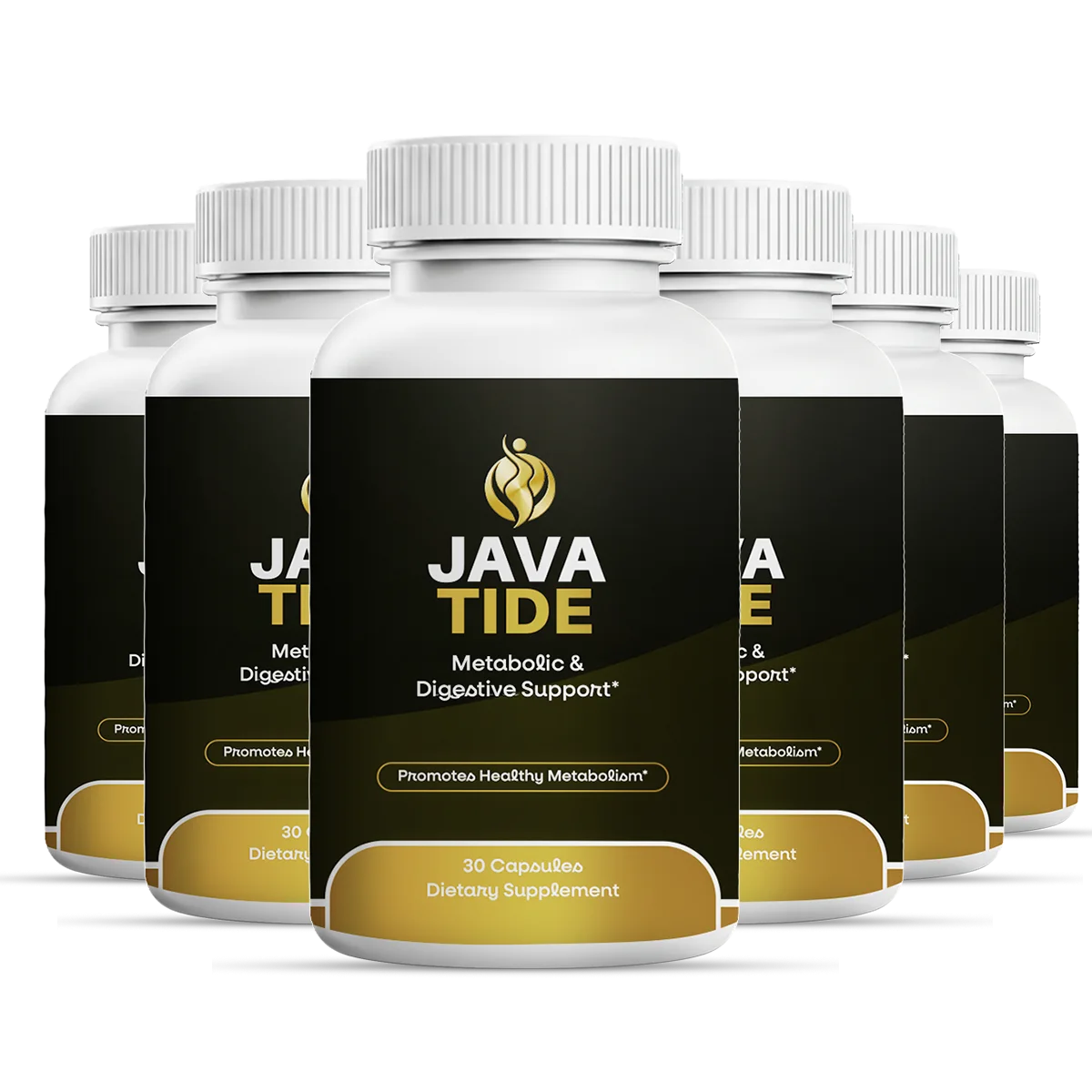
What actually helps — a practical checklist
The good news is that most of these drivers respond to the same handful of habits. You do not need extremes; you need consistency:
- ✓ Protect your muscle. Two or three short strength sessions a week slow age-related muscle loss and keep your resting burn up.
- ✓ Eat enough protein. Protein preserves muscle, keeps you full, and has a higher “cost” to digest than refined carbs.
- ✓ Prioritise sleep. Aim for a consistent seven to nine hours; it steadies the hormones that govern hunger.
- ✓ Add daily movement. Walk more, take the stairs, stand up often — the incidental activity matters as much as the gym.
- ✓ Manage stress. Even short daily wind-downs help lower cortisol and its knock-on effects.
- ✓ Feed your gut. Prioritise fibre and a range of plants so beneficial bacteria stay well-fed.
Where a gut-first supplement fits in
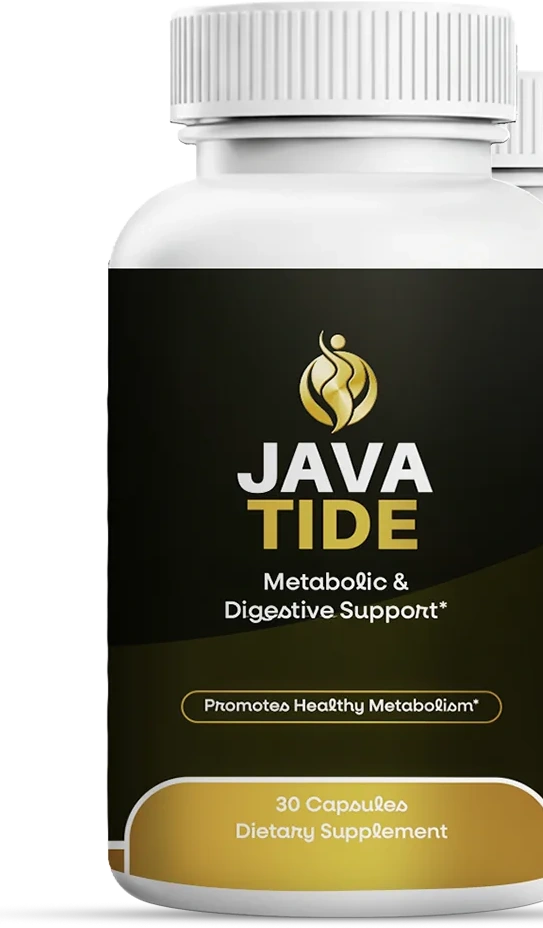
Habits are the foundation, but a well-fed gut is a sensible piece of the long game. Prebiotic fibres such as chicory-root inulin and resistant potato starch fuel beneficial bacteria, while a probiotic blend reinforces them — the pairing built into Javatide. A daily prebiotic-plus-probiotic capsule is not a substitute for sleep, movement and muscle, but it is a low-effort way to support steady digestion while you work on the bigger levers. Consistency beats intensity here, the same way it does with everything else on this list.
Is it fat, or is it a fluctuation?
Before you assume the worst, it is worth separating real weight gain from the ordinary day-to-day noise on the scale. Your weight can swing two or three pounds within a single day purely from water, food still in your digestive system, salt intake and hormones — none of which is fat. Weighing yourself once after a salty dinner and panicking is a classic trap. The number that matters is the trend, not any single reading.
A more reliable approach is to weigh yourself at the same time of day, in similar conditions, and look at the average over two or three weeks rather than reacting to daily jumps. If the trend line is genuinely and steadily climbing on an unchanged diet, then one or more of the hidden drivers above is likely at work — and the checklist that follows is where to start. If the “gain” comes and goes with your meals and your cycle, you are probably looking at fluctuation and water, which our guide to constant bloating explains in more detail.
When to check with a doctor
Most unexplained weight gain is the sum of ordinary lifestyle shifts. But if it is rapid, marked, or arrives alongside new symptoms — unusual fatigue, swelling, changes to skin or hair, feeling cold, or mood changes — it is worth a conversation with your doctor, since occasionally it reflects a thyroid or hormonal issue that is easily tested. This article is general information about everyday metabolism, not medical advice.
Frequently asked questions
Why am I gaining weight without eating more?
Weight can creep up even on the same diet because of factors that quietly change how your body stores energy: poor sleep, chronic stress, a natural loss of muscle with age, less daily movement, hormonal shifts, certain medications, water retention and gut imbalance. It is usually several small factors adding up rather than one cause.
Can stress and poor sleep cause weight gain?
Yes. Chronic stress raises cortisol, which can increase appetite and encourage fat storage, while short sleep disrupts the hormones that control hunger and fullness. Together they nudge you toward eating more and moving less without you consciously deciding to.
Does losing muscle make you gain weight?
Muscle is metabolically active tissue, so as you lose it — which happens naturally with age and inactivity — your body burns slightly fewer calories at rest. Eating the same amount then leaves a small daily surplus that accumulates over time. Strength training and adequate protein help protect muscle.
When should unexplained weight gain be checked by a doctor?
See a doctor if weight gain is rapid, unexplained, or comes with swelling, fatigue, changes in skin or hair, or other new symptoms, as it can occasionally reflect a thyroid or hormonal condition. This article is general information, not medical advice.
References
- Thyroid hormone action and energy expenditure. Journal of the Endocrine Society (2019). PubMed PMID 31286098.
- Management of medication-induced weight gain. Gastroenterology Clinics of North America (2023). PubMed PMID 37919025.
- Muscle tissue changes with aging. Current Opinion in Clinical Nutrition and Metabolic Care (2004). PubMed PMID 15192443.
- The role of insufficient sleep and circadian misalignment in obesity. Nature Reviews Endocrinology (2023). PubMed PMID 36280789.
Sources are linked to their PubMed records so you can check them. Research on an ingredient or a habit is not evidence about any finished product, and no trial has been published on the Javatide formula itself. Last checked 2026-09-03.
† These statements have not been evaluated by the FDA. This product is not intended to diagnose, treat, cure or prevent any disease. This article is for general information only and is not medical advice.