Why Has My Weight Loss Stalled? Plateau Causes & How to Break It
| The reassurance | A plateau is normal and expected — not a sign you have failed or broken your metabolism. |
| Why it happens | A lighter body needs fewer calories, portions quietly creep up, muscle can slip, and stress or sleep hides fat loss on the scale. |
| How to break it | Recalibrate portions, prioritise protein, add movement, fix sleep and stress, and be patient through water-weight noise. |
When to see a doctor. This article is general information, not medical advice, and no supplement is a treatment, drug or cure for obesity or any other condition. Weight that falls rapidly or without you trying — or any weight change alongside fatigue, fever, night sweats, a lump, blood in the stool or a lasting change in bowel habit — needs a doctor rather than a supplement. Please get it checked before you change anything, and speak to your clinician first if you are pregnant, nursing, under 18 or taking medication.
Few things are more discouraging than doing everything right and watching the scale refuse to budge. You have been eating well and staying consistent, the pounds were coming off — and then, nothing. If you are asking why has my weight loss stalled, take a breath: a plateau is one of the most normal, predictable stages of losing weight, and it almost never means your metabolism is broken. It means your body has adapted, a few habits have quietly drifted, or the scale is hiding real progress behind water. This guide walks through the genuine causes of a weight-loss plateau and the everyday changes that get things moving again. (British Journal of Nutrition, 2022)
Why has my weight loss stalled? The real causes
A plateau is rarely one dramatic thing. It is usually several small factors stacking together at the same moment your progress slows. Understanding them takes the mystery — and the self-blame — out of it.
1. Your body now needs fewer calories
This is the big one, and it is simple maths. A lighter body burns fewer calories doing everything, from resting to walking to digesting. The calorie deficit that melted fat when you started slowly shrinks as you lose weight, until intake and output quietly match — and the scale settles. You have not failed; you have succeeded your way into a new, lower calorie requirement. This is called metabolic adaptation, and it is the single most common reason weight loss stalls. (Current Obesity Reports, 2016)
2. Portions have crept up without you noticing
Early on, motivation keeps portions tight. Over weeks and months, the tablespoon of oil becomes a glug, the “handful” of nuts grows, and the occasional treat becomes a regular one. None of it feels like cheating, but together these small increases can erase a modest deficit entirely. Hidden liquid calories — sweetened coffees, juice, alcohol — are especially easy to overlook. (Medical Clinics of North America, 2018)
3. You are losing muscle along with fat
Dieting without enough protein or any resistance activity tends to strip muscle as well as fat. Because muscle is metabolically active, losing it lowers your daily burn and makes further loss harder — a self-reinforcing stall. Protecting muscle is one of the most powerful ways to keep your metabolism cooperating, a theme we cover in how to boost metabolism naturally after 40. (Nature Reviews Endocrinology, 2023)
4. Stress and poor sleep are masking your progress
Chronic stress raises cortisol, which encourages the body to hold on to water and can drive appetite and comfort eating — the loop we unpack in does stress cause weight gain. Poor sleep does its own damage, nudging hunger hormones up and willpower down. Both can flatten the scale even while fat is still being lost, because water weight hides the change. See does poor sleep cause weight gain for the full picture.
5. The scale is lying to you (a little)
Daily weight bounces with water, sodium, hormones and what is still in your digestive tract. A stall of a few days — even a week or two — can be pure water-weight noise sitting on top of genuine fat loss. This is why a single number on a single morning is a terrible judge of progress.
Support your gut and everyday metabolism
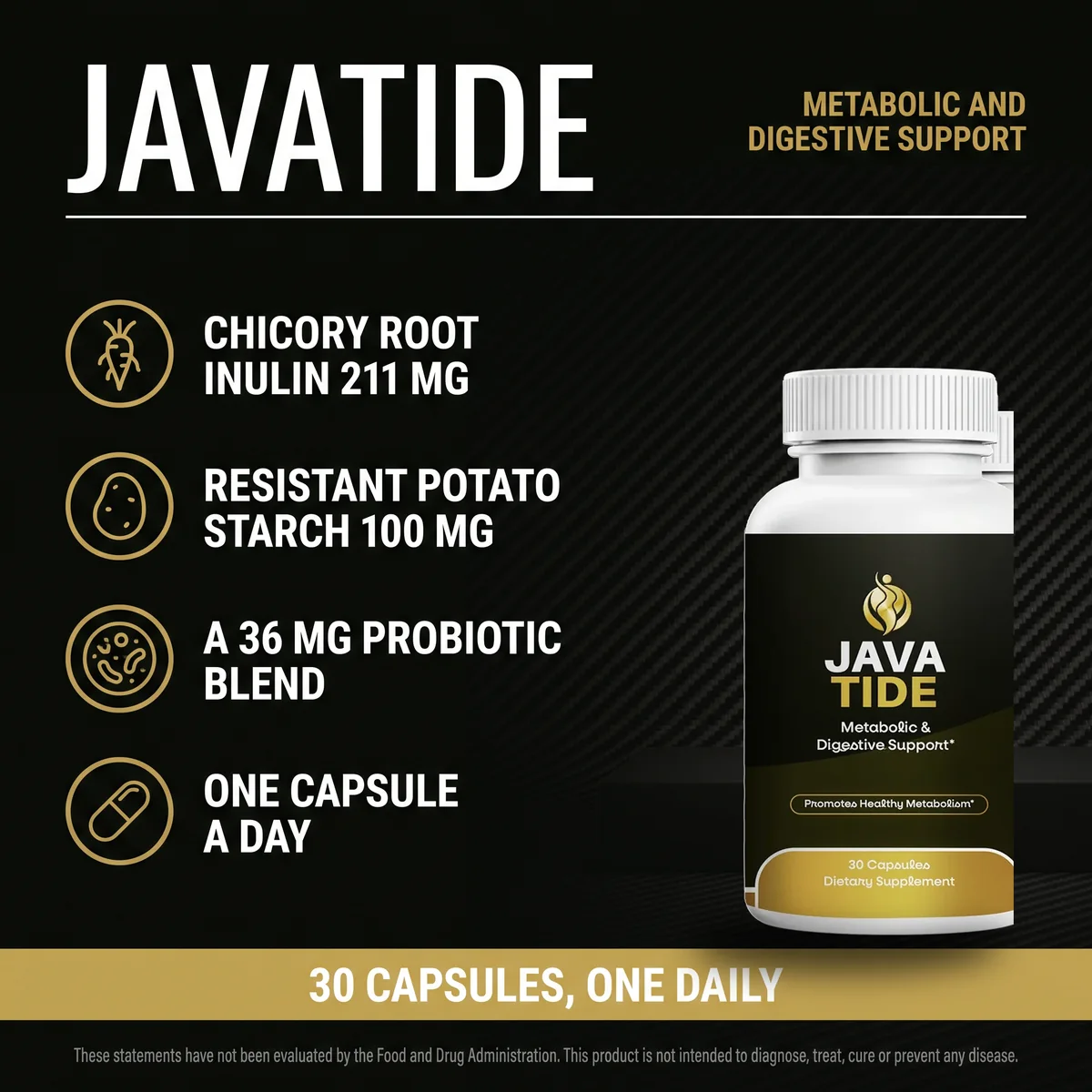
Javatide pairs prebiotic chicory-root inulin and resistant potato starch with a targeted probiotic blend — one daily capsule to help support a balanced gut and everyday digestion, backed by a 60-day guarantee. A simple, steady habit while you recalibrate the rest of your routine.
See Javatide Packages
How to break a weight-loss plateau
The fixes mirror the causes. You are not starting over; you are making small, targeted adjustments to match the body you have now.
- ✓ Recalibrate your portions. A lighter body needs a little less. Trim intake modestly rather than crashing — tighten the extras that crept back in, especially liquid calories.
- ✓ Push protein up. More protein protects muscle, keeps you full and slightly raises the energy cost of digestion. Put a source on every plate.
- ✓ Add or vary movement. More daily walking, a couple of strength sessions, or simply breaking up long sitting can widen the deficit without extreme dieting.
- ✓ Protect your sleep. Seven to nine consistent hours keeps appetite hormones and willpower on your side.
- ✓ Manage stress. A genuine daily wind-down lowers cortisol-driven water retention and comfort eating.
- ✓ Measure beyond the scale. Track how clothes fit, waist measurements, energy and strength — they often improve while the scale is quiet.
Where gut health fits in
When you have tuned the big levers — calories, protein, movement, sleep and stress — supporting your gut is a sensible next layer. The microbiome influences appetite, how efficiently you extract energy from food and the background inflammation associated with stubborn weight. A diverse, well-fed microbiome is associated with easier weight management, the link we explore in gut health and weight loss. Feeding it well — plenty of plants, fermented foods and prebiotic fibre — is a low-effort habit that supports the whole system.
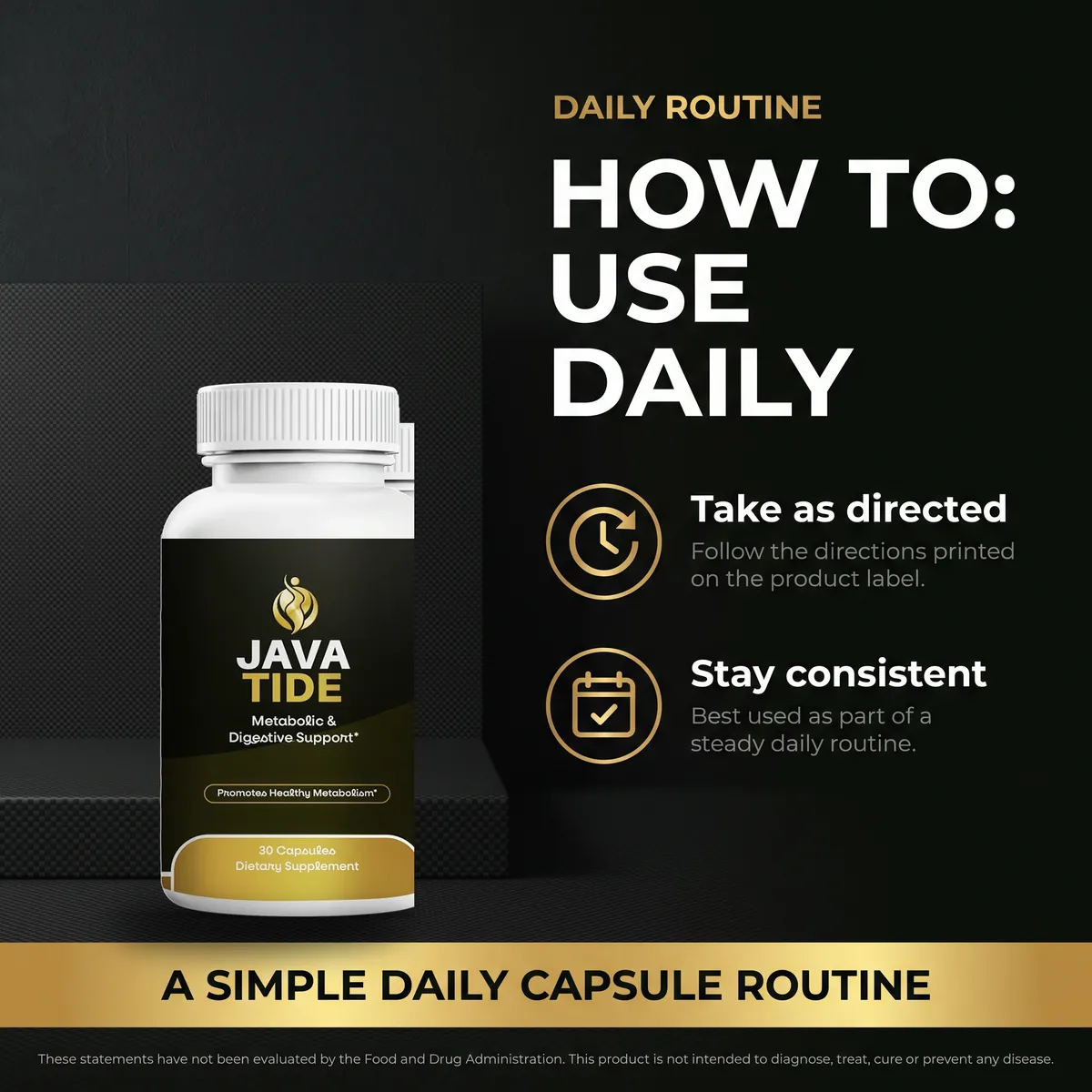
That pairing is exactly what Javatide is built around: prebiotic chicory-root inulin and resistant potato starch to feed beneficial bacteria, plus a probiotic blend to reinforce them, in one daily capsule. It will not override the calorie maths behind a plateau, but it is a steady habit that supports the balanced gut a healthy appetite and metabolism depend on while you make the changes that actually break the stall.
A realistic way to work through a plateau
The instinct when the scale stalls is to slash calories dramatically and add punishing exercise. That usually backfires — it costs you muscle, spikes stress and hunger, and makes the plan impossible to sustain. A calmer approach works better. Give it two to three weeks of genuine consistency first, because much of what looks like a stall is water-weight noise that resolves on its own. If the scale is still flat after that, make one small change at a time: tighten a portion, add a daily walk, put protein on every plate, or protect an extra hour of sleep. Give each change a week or two to show up before layering on the next.
Keep your eye on the trend, not the daily number, and remember why the plateau exists in the first place: it is proof that you have already changed your body. Each pound lost lowered your calorie needs, and the plateau is simply your routine catching up with your progress. Nudge the levers, stay patient, and the scale starts moving again.
Setting realistic expectations
A plateau is not a wall; it is a checkpoint. It signals that your body has adapted and your routine needs a small update — not that you are doing something wrong or that your metabolism is broken. Progress in weight loss is rarely a straight line; it is a series of drops and pauses, and the pauses are normal. Focus on the habits you can repeat forever rather than the number on any single morning, and give changes time to work. Results vary from person to person, and this is general information rather than medical advice; if the stall is sudden, unexplained, or paired with other symptoms, talk with your doctor.
Frequently asked questions
Why has my weight loss stalled even though nothing changed?
A plateau is normal. As you lose weight your body needs fewer calories, so the deficit that once worked slowly shrinks to zero. Portion sizes also tend to creep up over time, and water retention from stress or sleep can mask fat loss on the scale. Several small factors usually stack together rather than one big cause. Results vary.
How long does a weight-loss plateau last?
It varies widely. A true stall lasting more than three to four weeks despite consistent habits usually means your calorie needs have dropped or portions have crept up. Adjusting intake slightly, adding protein and movement, and improving sleep and stress often gets the scale moving again within a few weeks.
Does losing muscle cause a weight-loss plateau?
It can contribute. Dieting without enough protein or resistance activity leads to muscle loss, and muscle is metabolically active, so losing it lowers your daily burn and makes further loss harder. Protecting muscle with protein and strength work helps keep your metabolism working with you.
Can gut health affect a weight-loss plateau?
It may play a supporting role. The gut microbiome influences appetite, how you extract energy from food and background inflammation. A diverse, well-fed microbiome is associated with easier weight management, so feeding it prebiotic fibre and probiotics is a sensible part of a broader plan to move past a plateau.
References
- Changes in energy expenditure with weight gain and weight loss in humans. Current Obesity Reports (2016). PubMed PMID 27739007.
- Maintenance of lost weight and long-term management of obesity. Medical Clinics of North America (2018). PubMed PMID 29156185.
- Obesity-induced and weight-loss-induced physiological factors affecting weight regain. Nature Reviews Endocrinology (2023). PubMed PMID 37696920.
- Does adaptive thermogenesis occur after weight loss in adults? A systematic review. British Journal of Nutrition (2022). PubMed PMID 33762040.
Sources are linked to their PubMed records so you can check them. Research on an ingredient or a habit is not evidence about any finished product, and no trial has been published on the Javatide formula itself. Last checked 2026-09-03.
† These statements have not been evaluated by the FDA. This product is not intended to diagnose, treat, cure or prevent any disease. This article is for general information only and is not medical advice.